


Stainless steel milk tank: insulated, jacketed, with agitator — which to choose
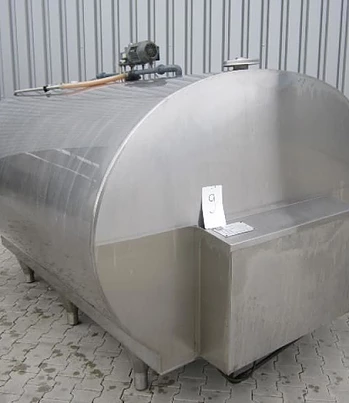
In brief. Choose a milk tank according to what you need to do with the milk. To simply receive and store it, you need an insulated "thermos" tank made of AISI 304 stainless steel; Milberg makes these from 100 to 50,000 L, vertical and horizontal, for indoor and outdoor installation. To cool milk after milking, you need a milk cooling tank of 100–10,000 L. To heat, pasteurize and cool in one vessel, you need a jacketed tank: a long-time pasteurization vat of 75–1,000 L or a standardization vat of 300–2,500 L.
Types of milk tanks
When people search for a "milk tank", they are looking for four different machines. All of them are made of food-grade stainless steel, but they are designed differently.
| Tank type | Purpose | Volume | How it holds or changes temperature |
|---|---|---|---|
| Insulated storage tank | Receiving, storing and buffering raw and pasteurized milk, cream, whey | 100–50,000 L | Polyurethane foam insulation; cooling and temperature control on request |
| Milk cooling tank | Cooling and storing milk after milking or reception | 100–10,000 L | Cooling coil, 50 mm polyurethane foam insulation, with or without a refrigeration unit |
| VDP batch pasteurizer (long-time pasteurization vat) | Pasteurization, cooling and fermentation of cultured dairy products | 75–1,000 L | Water jacket: heating to 95 °C (electric heating elements, steam or gas), cooling with ice water at +2…+4 °C |
| VN cream ripening vat (standardization vat) | Standardizing cream by fat content, pasteurization, cooling | 300–2,500 L | Heating and cooling jacket |
Why a tank needs insulation
A storage tank is usually ordered as a "thermos" (uninsulated versions are also available): the inner stainless steel vessel is wrapped in a layer of polyurethane foam and covered on the outside with stainless steel cladding. Such a tank holds the milk temperature for a long time without additional cooling — milk that goes in chilled stays cold for a long time.
If the milk is stored for a long time or the tank stands in a warm place, a cooling device and temperature control can be fitted on request. But if the milk arrives warm, straight from milking, it needs a cooler rather than a thermos: insulation maintains temperature but does not lower it. We explained why milk must be cooled immediately in the article "Milk coolers".
Do you need an agitator?
An agitator is fitted on request, and for milk it is almost always useful:
- it prevents the milk from settling and separating — the cream does not rise to the top;
- it evens out the temperature throughout the volume;
- it prevents foaming once the tank has been filled.
Besides an agitator, the tank can be fitted with a level gauge, a CIP spray head, a vent, manholes for cleaning and maintenance, and a control panel.
When you need a jacketed tank
A jacket is a second wall around the tank into which a heat transfer medium is fed: hot water, steam or ice water. It is used to heat and cool the product without mixing it with the medium. If milk needs to be pasteurized, fermented or cooled after heating, a plain tank is not enough — you need a jacketed tank with an agitator.
For milk, this is above all a long-time pasteurization vat: the milk is heated in it to 95 °C, then ice water is fed into the jacket to cool it to fermentation or storage temperature. The product and jacket medium temperatures are set separately on the control panel and are held automatically. For cream ahead of a butter churn, there is the standardization vat with a sloping bottom and a bottom-driven agitator, which makes it easier to clean.
A frequent question after purchase is whether a water jacket can be heated with steam. If the jacket is open, with an overflow, it can — but only by direct steam injection: steam is fed into the jacket water, the upper overflow pipe is left open, and the jacket operates without excess pressure.
Which volume and design to choose
Volume is calculated from the amount of milk you need to store between reception and processing: how much you receive per day and how long it stands before pasteurization. For a jacketed tank, go by the size of one batch.
Vertical or horizontal — chosen according to the layout of the premises.
Indoor or outdoor. Tanks are made for both. Mixed solutions are also possible: for example, a customer asked us for a 10,000 L insulated tank whose end with the manhole and agitator is inside the workshop, while the rest stands outdoors. We build such tanks to the customer's dimensions and requirements.
If milk arrives at the plant by milk tanker, a reception and metering station is usually installed upstream of the tank — we described it in the article "Milk reception at the plant".
Where this equipment is already in operation
Milberg jacketed tanks — long-time pasteurization vats — are working in dairy workshops from Adygea to Chukotka. In 2024 a VDP-1000 was supplied to the Republic of Adygea: previously the existing tanks could not pasteurize a batch of the required size, but now a thousand litres go through in one cycle, and yoghurt and ryazhenka are fermented in the same vat. In the same year a pasteurization vat went to a dairy workshop in Chukotka. All projects are in the ["Case studies"](/projects/ section.
Tell us how much milk you need to store or process, what will happen to it in the tank and where the tank will stand — we will select the right design and prepare a quotation within one working day. All equipment for dairy production is in the section "Milk processing equipment".
Milberg equipment mentioned in this article
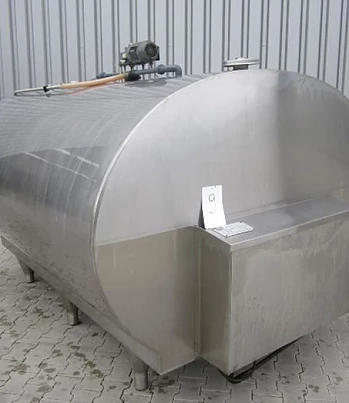 Milk storage tankReception, storage and buffer storage of milk and dairy products
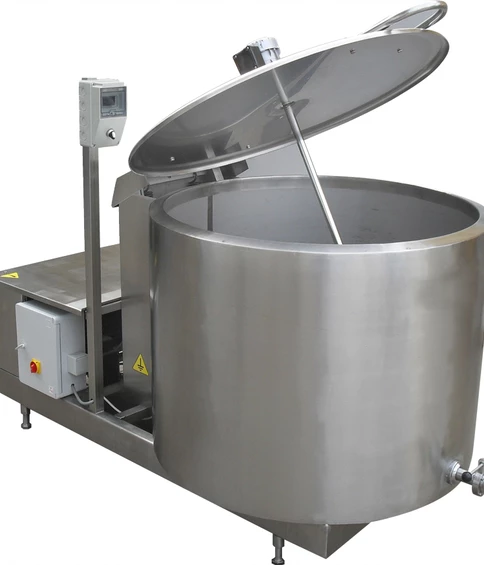 Milk cooler (milk cooling tank)Rapid cooling of milk after milking and pasteurization
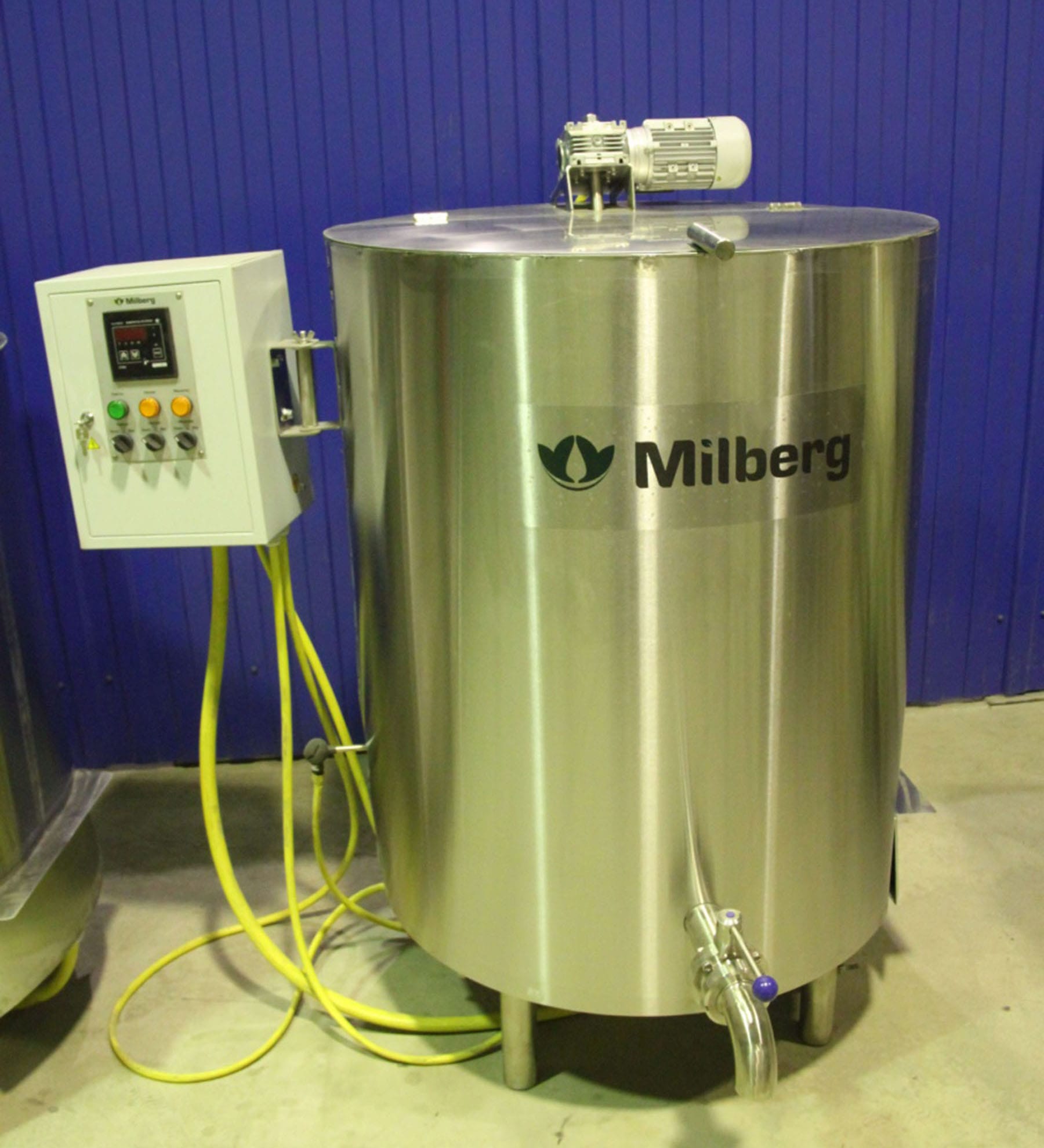 VDP batch pasteurizerMilk pasteurization and cultured dairy production
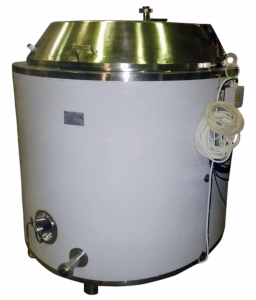 VN cream ripening vatStandardization, pasteurization and cooling of cream
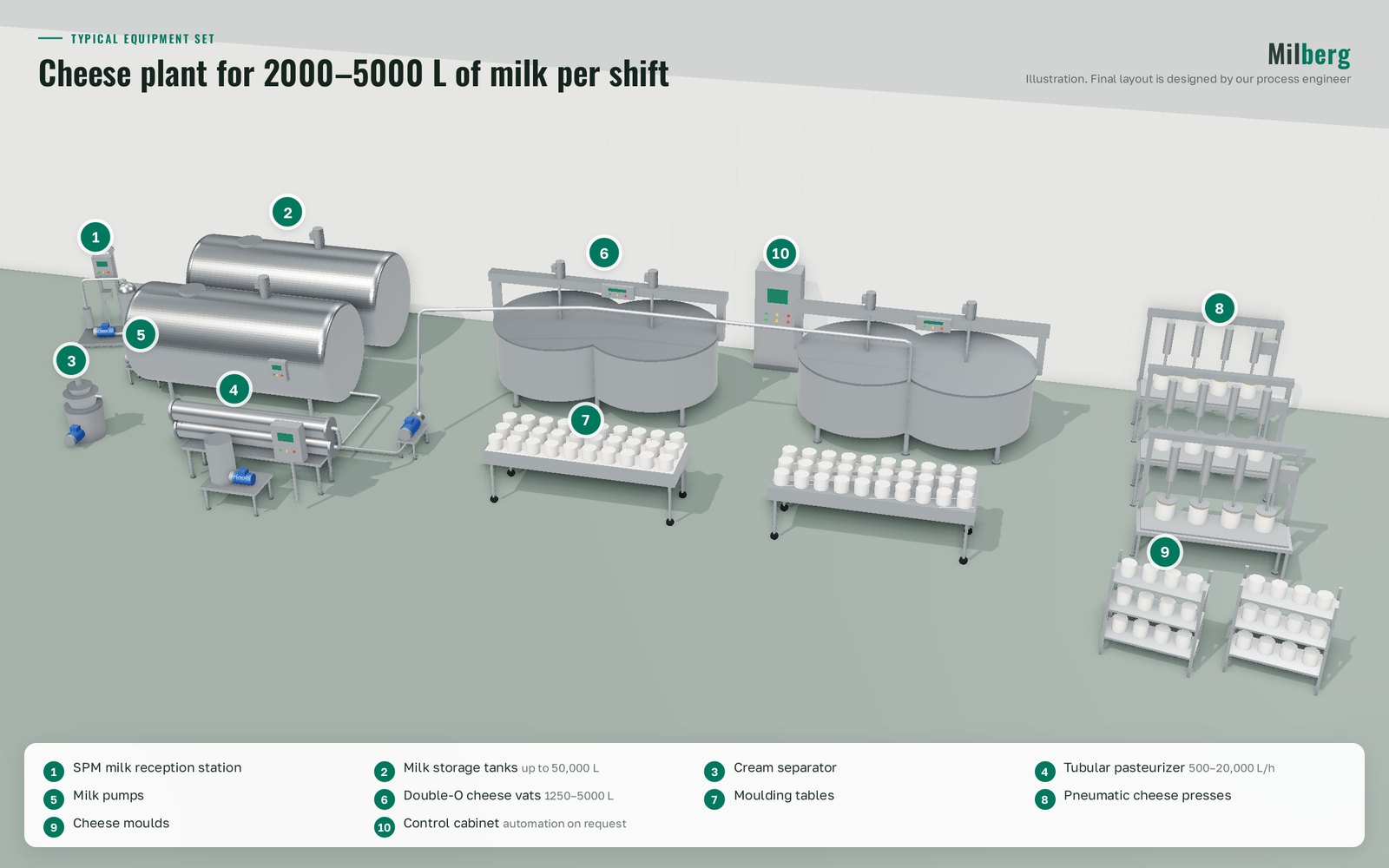 Cheese plant for 2,000–5,000 L of milk: equipmentIndustrial cheese vats, continuous pasteurization, milk reception, automation
Catalogue sections: Other food equipment, Milk processing equipment, Equipment sets, modular dairies and mini plants