


Milk coolers
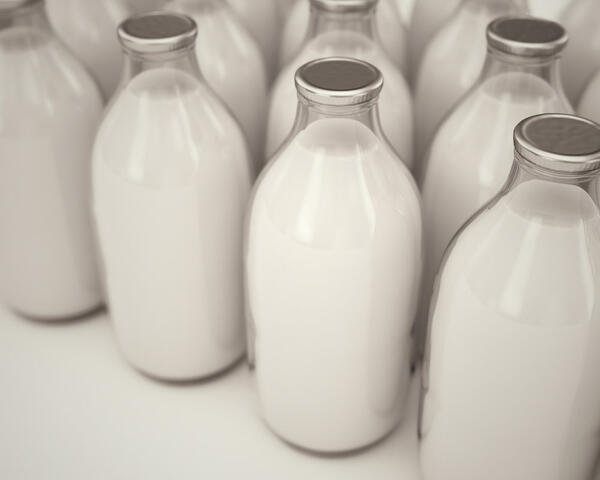
In short. Milk is cooled immediately after milking: unless it is cooled to 10 °C or below, it loses its bactericidal properties within 2–3 hours and starts to sour. If milk is stored on the farm for up to 12 hours, it is cooled to 8 °C; for a day or longer, to 4–5 °C — but it should not be stored for more than a day. Milk is cooled and stored in cooling tanks — open vats and closed tanks.
Why does milk need to be cooled?
Freshly drawn milk is at the optimum temperature for most microbes to multiply. Immediately after milking, the fresh milk undergoes primary treatment. Unless it is immediately cooled to 10 °C or below, within 2–3 hours it loses its bactericidal properties and starts to sour.
Cooling is the most important factor in maintaining product quality after milking. If milk is stored on the farm for up to 12 hours, it is best cooled to 8 °C. If it remains on the farm for 24 hours or more, it is cooled to 4–5 °C. However, milk should not be kept on the farm for more than a day, because at this temperature microbes that can cause defects in it continue to multiply.
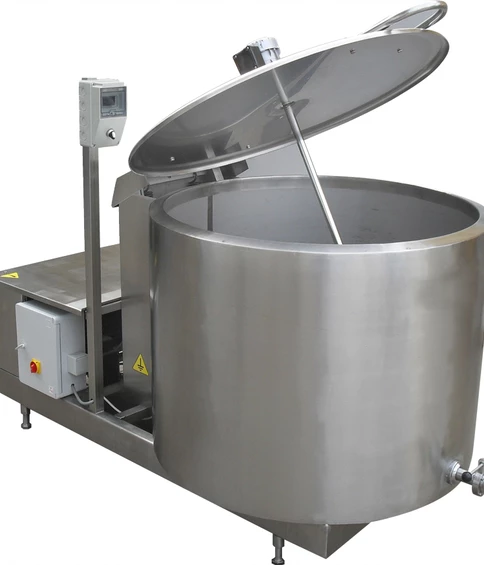
Whatever the milking method, milk can be cooled and stored in milk cooling tanks (open vats and closed tanks). Vats and tanks are made in rectangular and cylindrical shapes. They can be sealed or unsealed and come in different capacities. Cooling after milking allows milk to be stored for up to three days before processing. In other words, it is largely a technological and economic factor, because sending raw milk to the plant immediately is difficult and unprofitable.
Milberg equipment mentioned in this article
Catalogue section: Milk processing equipment