


Chechil cheese production: technology and equipment
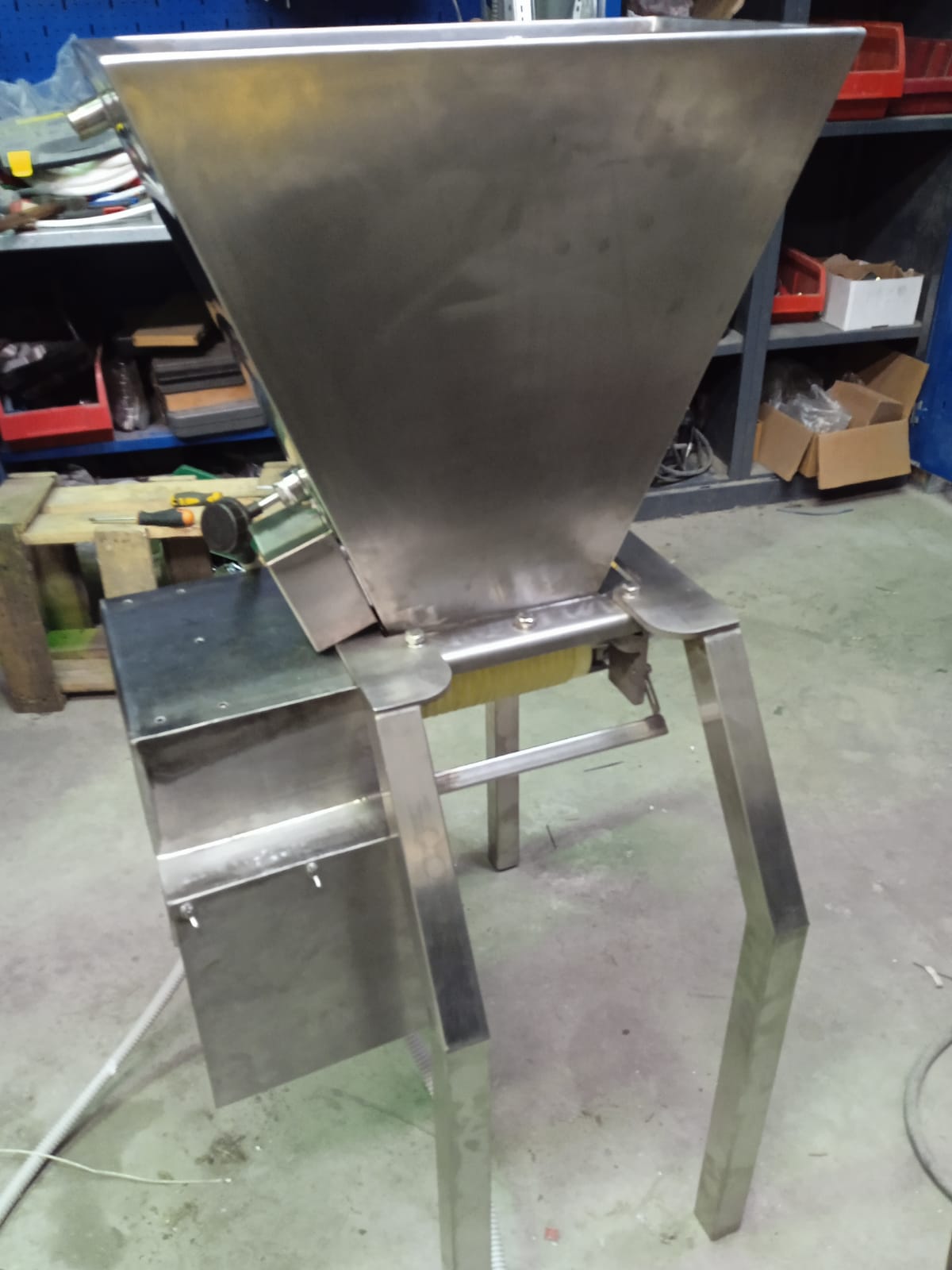
In short. Chechil is a stretched (pasta filata) brined cheese: the cheese mass is melted until plastic, stretched into strings, cooled in water, cut or braided, salted in brine and smoked if desired. Production requires a cheese vat, a cheese melter and a UFSN cheese string forming unit. The Milberg unit produces from 40 kg/h of string 4 to 20 mm thick — the thickness is set by an interchangeable die.
What chechil is and how it differs from other cheeses
Chechil comes from Armenian cuisine; its name is translated as "tangled". It is a brined cheese sold as strings, sticks, "spaghetti" or braids — smoked or unsmoked. Technologically it is related to suluguni and mozzarella: the cheese mass is not pressed into a wheel but melted and stretched.
Stretching the string by hand is slow and hard work, and the thickness varies from batch to batch. That is why producers who reach steady volumes move string forming to a machine. For more about the product itself, see the article "Kosichka (braided) cheese production technology".
How chechil is made: process stages
- Cheese mass. Milk is coagulated in a cheese vat, the coagulum is cut and the whey is drained.
- Ripening the mass. The cheese curd is held until it develops acidity — for example, in a press trolley. Without the right acidity the mass will not stretch.
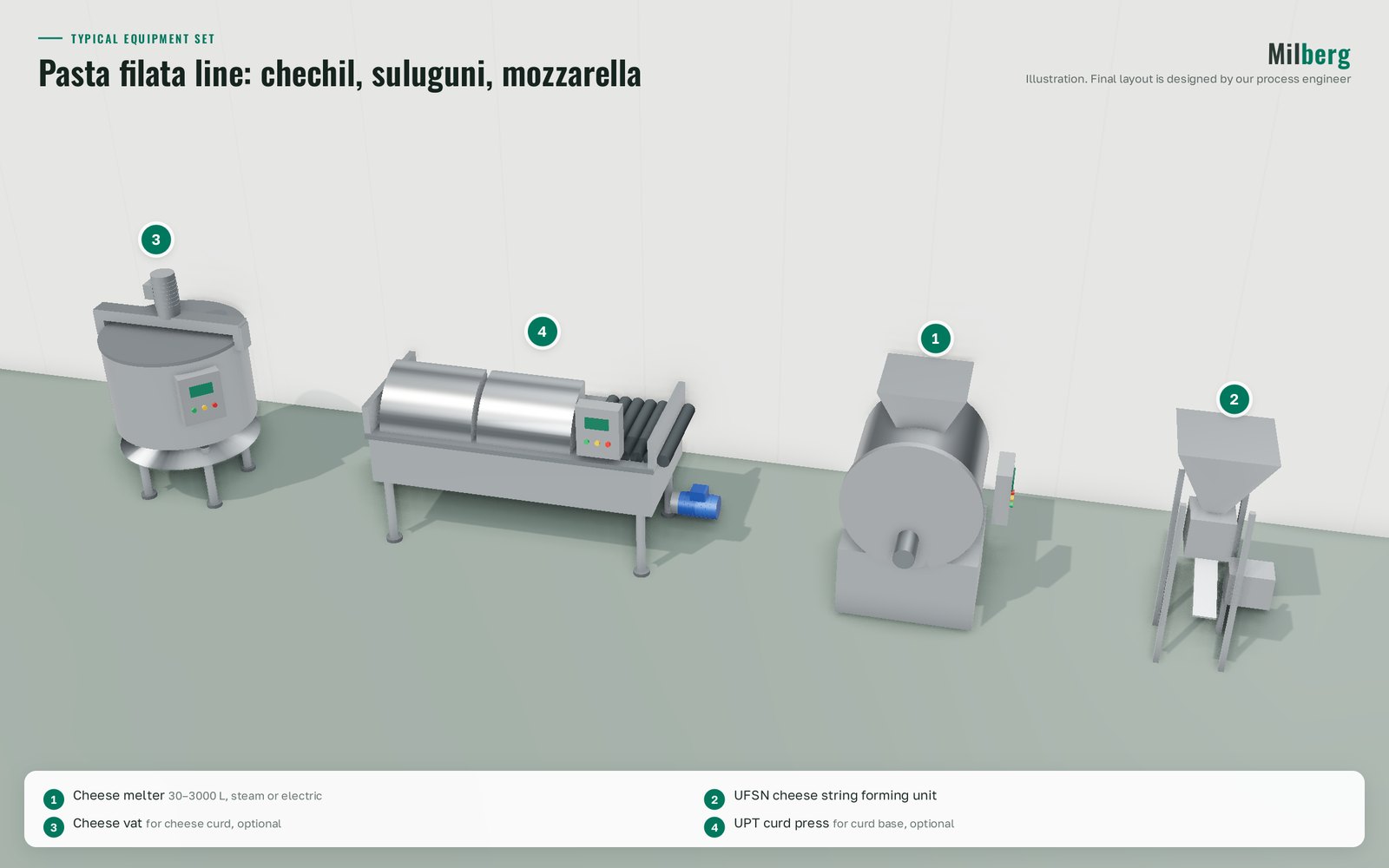
- Shredding and melting. The mass is shredded and melted in a cheese melter until uniform and plastic.
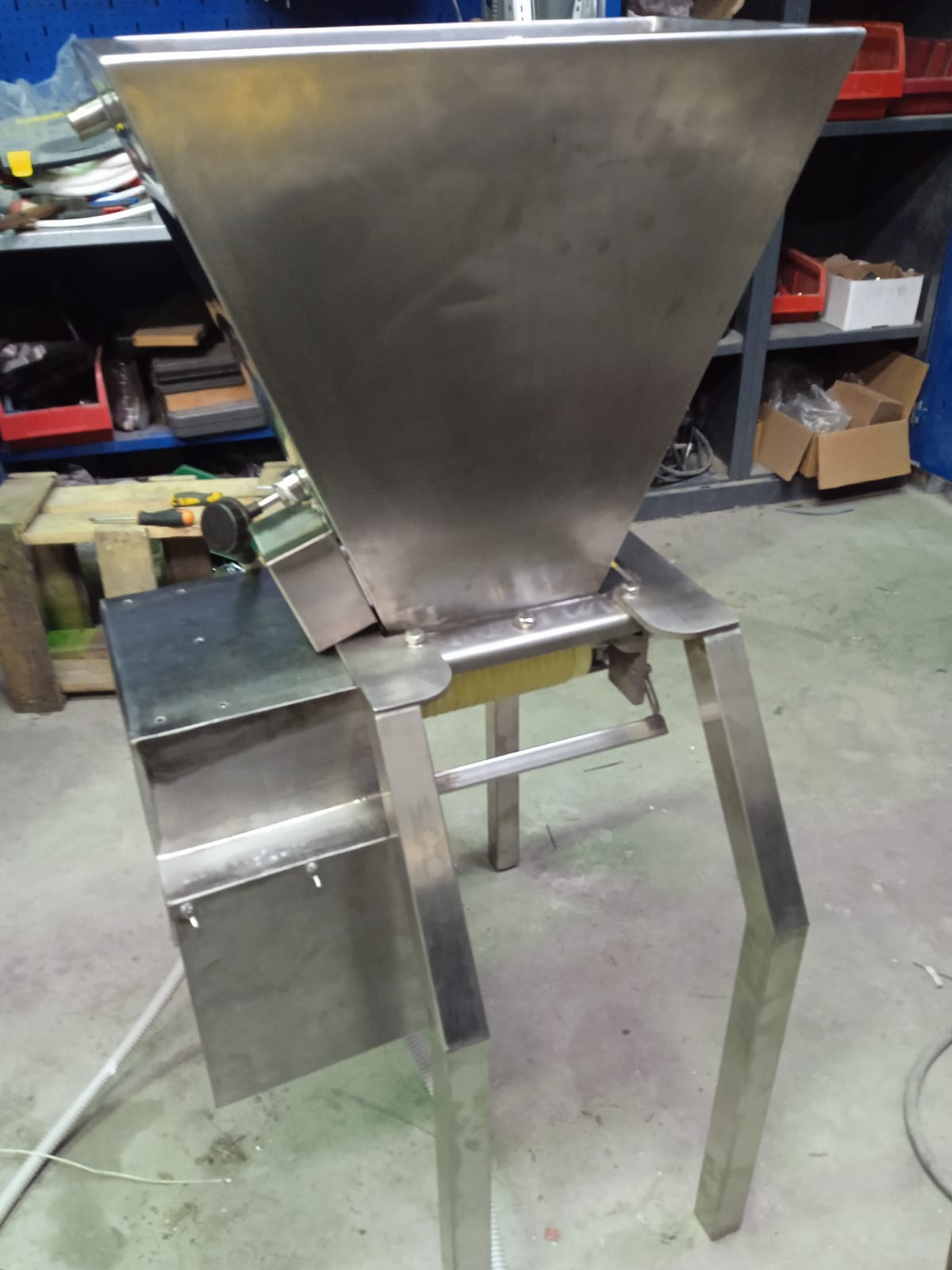
- String forming. The hot mass goes into the hopper of the UFSN unit, passes through the die rollers and comes out as an even string.
- Cooling. The string goes straight into a water bath and sets.
- Cutting or braiding. The strings are cut into sticks or braided.
- Salting and smoking. The cheese is salted in brine, and part of the output goes to the smoking chamber.
Chechil can be made from fresh mass straight from the cheese vat or from finished cheese — this determines which melter you need and how much mass it must take per batch.
What equipment is needed to make chechil
| Stage | Equipment | What to look for |
|---|---|---|
| Cheese mass | Cheese vat | Volume — based on the amount of milk per batch |
| Melting | Cheese melter | Volume from 30 to 3,000 L, working load up to 80% of volume; electric or steam heating |
| String forming | UFSN unit | From 40 kg/h, string from 4 to 20 mm, hopper with a 65 °C jacket |
| String conveying | Belt conveyor | Width matched to the width of the former's rollers |
| Cooling | Water bath | The string goes from the unit straight into the water |
| Smoking | Smoking chamber | Load capacity matched to line output, so the chamber does not become a bottleneck |
There is a ready-made set for chechil: a cheese melter, a UFSN unit and a frame on which the melter sits above the former. The mass goes from the melter straight into the unit's hopper, and the hopper jacket keeps it hot so the string does not cool prematurely.
Why the mass will not stretch into string
This is the most common question from those launching chechil. In most cases the cause lies in the raw material and the process conditions, not the machine:
- Acidity. The pH of the mass should be about 5.2. If it is higher, the mass will not stretch in any melter — this is a property of the raw material.
- Shredding. Before melting, the mass is shredded into uniform crumbs. In chunks it melts unevenly.
- Temperature. For stretching, the mass is heated to 60–65 °C. Overheating gives a "rubbery" string and fat separation.
That is why, when selecting equipment, we ask you to send us your recipe, the process you currently use and the acidity of your mass.
How to choose a string forming unit and cheese melter
Output. The UFSN produces from 40 kg/h; on request it can be built for higher output and to your dimensions. Output is infinitely adjustable.
String thickness. From 4 to 20 mm, set by an interchangeable die that can be changed quickly for a different product. Note that the string comes out of the die slightly thicker: with a 6 mm die, for example, the string is about 7 mm, and the conveyor draws it down to 6 mm. This matters if you have a strict gauge requirement.
Heating. Electric heating elements or steam / hot water. The electrically heated version needs no steam generator — electricity alone is enough (220 or 380 V, unit power no more than 3 kW).
Cheese melter volume. Calculate from the working load — up to 80% of the vessel volume. We make melters from 30 to 3,000 L; the sizes we supply most often are 30, 50 and 100 L.
Braids. The unit forms the string; braids are woven from the strings after cooling.
Smoking. This is a long process, so the chamber is sized by load to handle the line's entire output. If you choose a smaller chamber, the line will stand idle.
Where this equipment is already in operation
In Krasnoyarsk Krai in 2026, an SP-100 cheese melter and a UFSN-02 unit were supplied for a stretched-cheese section: the melter prepares the mass and the unit forms string for braids or sticks. In Omsk Region, a private producer switched from hand stretching to a UFSN-02 in 2022 — the unit was placed between curd cooking and the salting and smoking section without rearranging the workshop. Another UFSN was supplied to Kazakhstan in 2020 together with a curd pressing unit. All projects are in the ["Case studies"](/projects/ section.
Planning to make chechil? Tell us how many kilograms a day you want to produce, whether you already have a cheese vat and melter, and whether you will work with fresh mass or finished cheese, and our dairy process engineer will put together a set and send you a quotation within one working day. All cheese-making equipment is in the "Cheese equipment" section.
Milberg equipment mentioned in this article
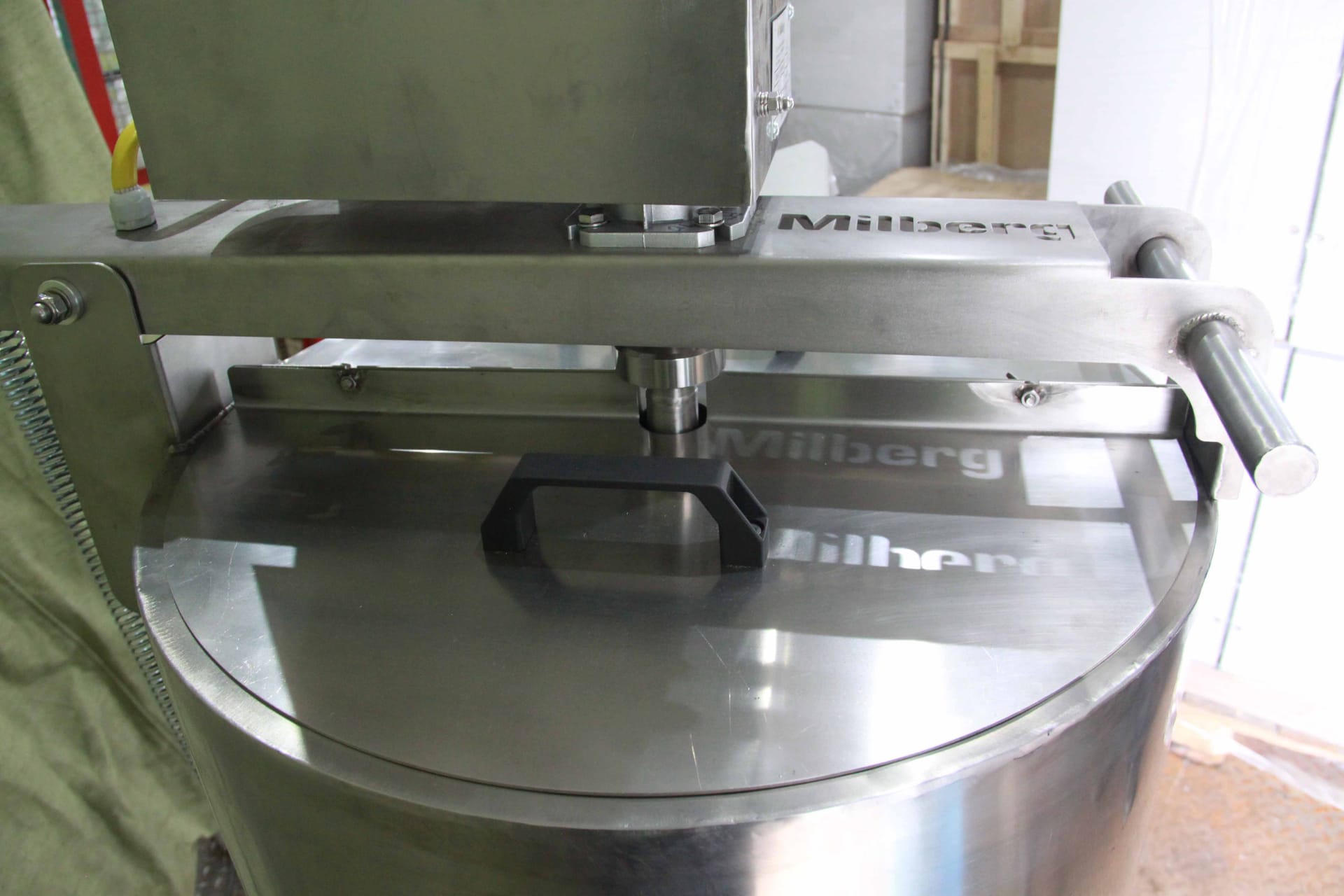 VS cheese vatHard and soft cheeses. From 20 to 3,000 L
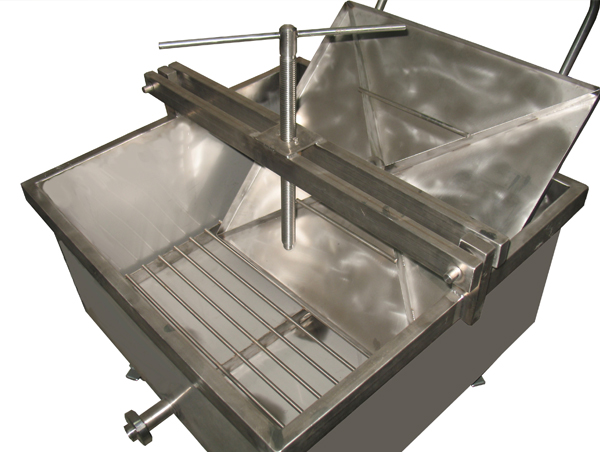 Press trolley for cheese and tvorogPressing of soft cheeses and tvorog, whey drainage
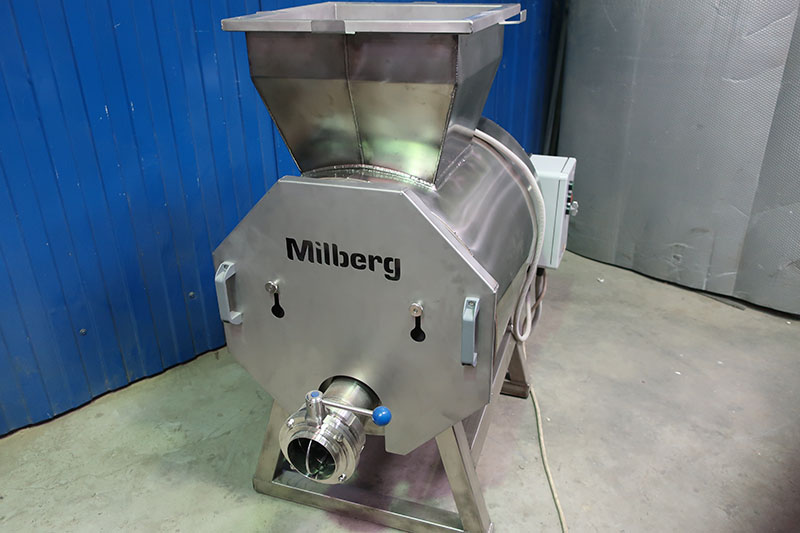 Cheese melter (SP)Processed cheese production
 UFSN cheese string forming unit (chechil)Chechil cheese, braided cheese
 Pasta filata cheese equipment: chechil, suluguni, mozzarellaCheese melter and UFSN cheese string forming unit
Catalogue sections: Cheese making equipment, Milk processing equipment, Curd (tvorog) and cultured dairy equipment, Equipment sets, modular dairies and mini plants