


Zero-waste production: options for processing dairy whey

In brief. Whey is a by-product of cheese and tvorog (quark) production and retains up to 50% of the milk solids. It can be sweet (cheese whey) or acid (curd whey) and has a short shelf life, so it is cooled or pasteurized immediately. Instead of being discarded, whey can be processed — for example, heating it yields curd and ricotta cheese.
Whey is obtained in the production of tvorog and cheese and is essentially a by-product of processing. However, it should not be regarded as a secondary raw material, because it is very rich in valuable micronutrients and vitamins. Whey contains lactoferrin, immunoglobulin, the full range of B vitamins, as well as vitamin C, nicotinic acid, choline, vitamin A, vitamin E and biotin, micro- and macroelements such as Ca, K, P, Fe and Zn, and all the essential amino acids.
Despite its high nutritional value and low cost, few producers use this valuable product — most simply pour it away as unwanted.
Nevertheless, the global trend towards zero-waste production and ever stricter environmental regulation are pushing more and more producers to process whey, which also brings in additional revenue.
There are two types of whey:
- Sweet whey, obtained in the production of cheeses such as Swiss or Cheddar (also called cheese whey);
- Acid whey, obtained in the production of tvorog and other cultured dairy products.
As mentioned above, whey has a high nutritional value and can retain up to 50% of the milk solids.
Whey keeps for a very short time and must be cooled immediately after it is obtained for short-term storage, or pasteurized.
Possible methods of whey processing
- Heat treatment
Heat treatment involves heating for pasteurization and the elimination of undesirable pathogens, followed by cooling to preserve the properties and quality of the product during storage.
For example, making curd by heating whey has been known for a very long time. The Italian cheese ricotta is made in the same way: whey is heated in a pasteurizer to 90 °C, acid is added to speed up the process, and once the cheese curd forms you get ricotta — essentially albumin curd. The spent whey goes into livestock feed, and the plant achieves a zero-waste production cycle.
- Separation
Separation is used to skim dairy whey (to remove milk fat and casein fines) and to clarify it.
- Preservation
Preservation is used alongside pasteurization and cooling to keep whey for a long time. It is based on stopping the activity of microorganisms that can spoil products, or stopping the biochemical processes caused by enzymes in the products, as well as slowing down redox reactions.
Examples of products made from whey
- Whey cheeses and cheese masses
Whey cheeses turn out best with a small addition of skim milk or buttermilk. The general process is the same as for all cheeses. The whey mixture is heated to 85–90 °C, and acid and bacterial starter cultures are added. Both cheese vats and curd vats can be used. The resulting cheese curd is then moulded, usually by self-pressing. The cheese is either sold immediately or left to ripen for 30–40 days. This cheese keeps for no more than 3 days.
- Whey drinks
Whey-based drinks are not a simple product and are seasonal, but they offer high margins and are undoubtedly good for health. The general production process is as follows. Whey is drained into a tank immediately after tvorog or cheese production. It is then pasteurized in a tubular or plate pasteurizer at 75–85 °C. Next, the whey is cooled, transferred to fermentation tanks, and starter culture is added according to the recipe. For small production volumes, pasteurization vats can be used for these purposes. Other ingredients, such as juice concentrate, can also be added at this stage. After the starter culture has been added and thoroughly mixed in, the mixture goes straight to the filling machines.
Whey is also used to standardize milk and cream, and as a livestock feed additive.
The Milberg plant offers a wide range of equipment for dairy production. In line with food safety and hygiene standards, all equipment manufactured at the plant is made of high-quality stainless steel approved for use in the food industry.
If you need equipment for milk processing, submit a request on the website or contact our specialists by phone.
Milberg equipment mentioned in this article
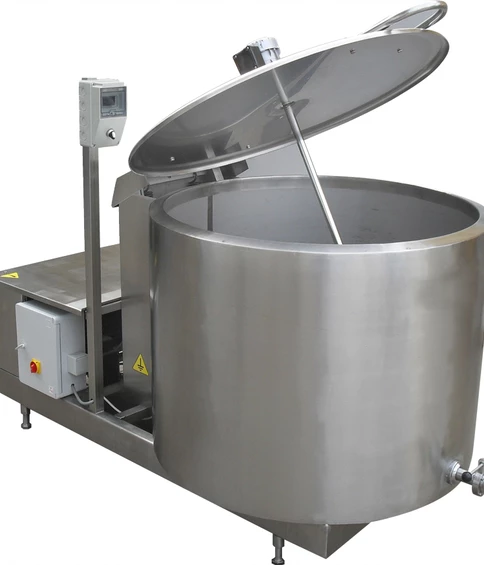 Milk cooler (milk cooling tank)Rapid cooling of milk after milking and pasteurization
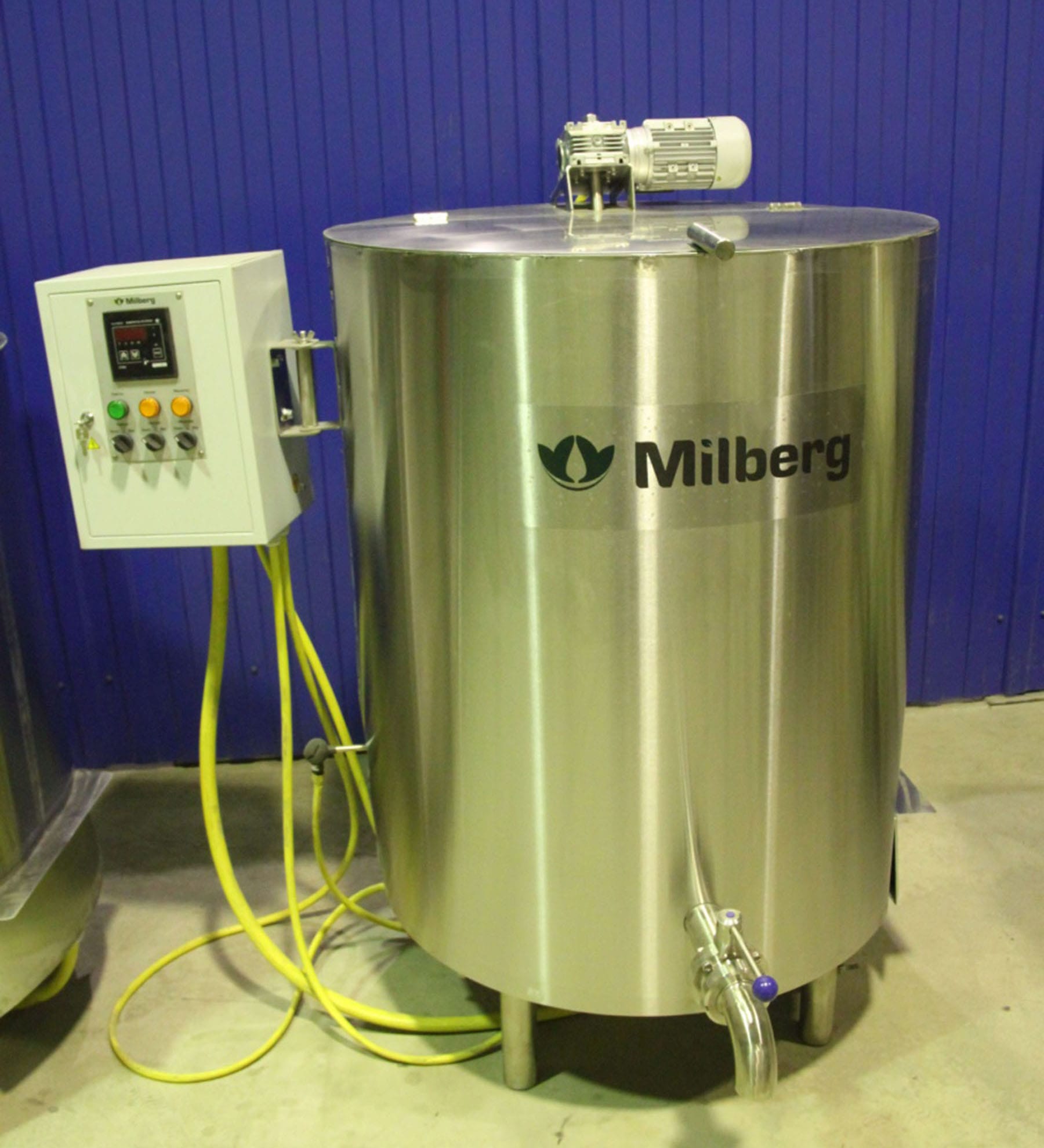 VDP batch pasteurizerMilk pasteurization and cultured dairy production
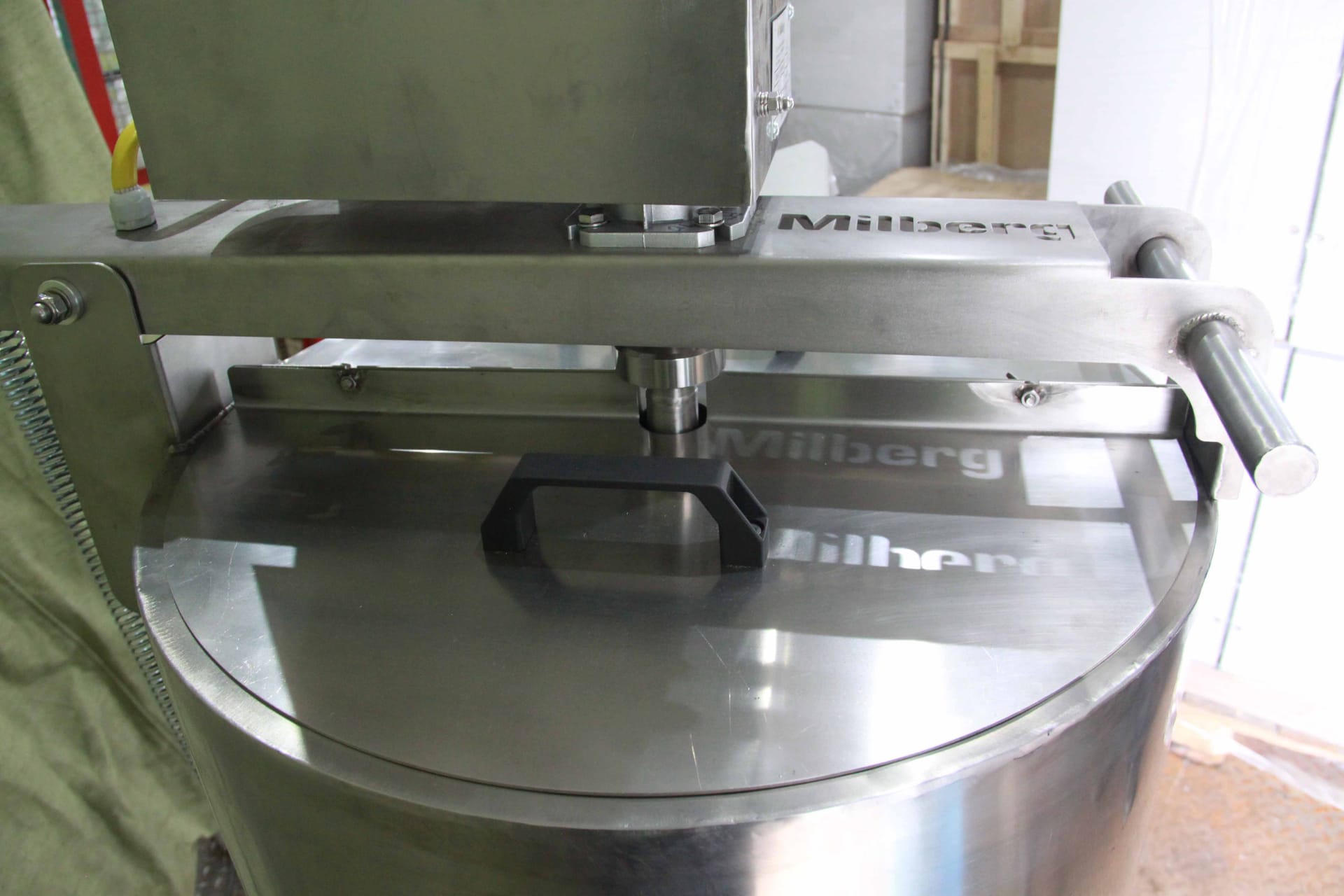 VS cheese vatHard and soft cheeses. From 20 to 3,000 L
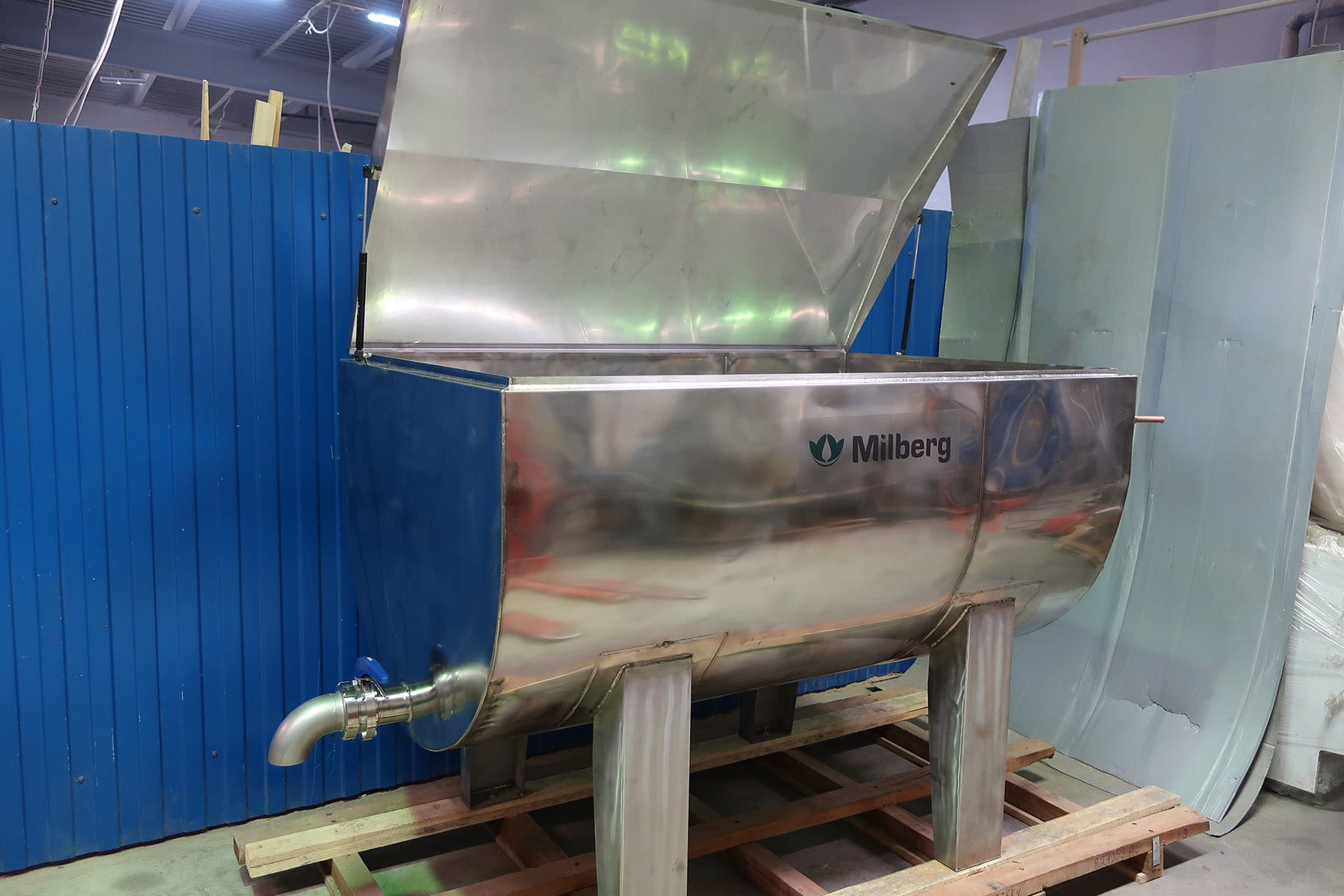 VT curd vatTraditional tvorog (quark) production
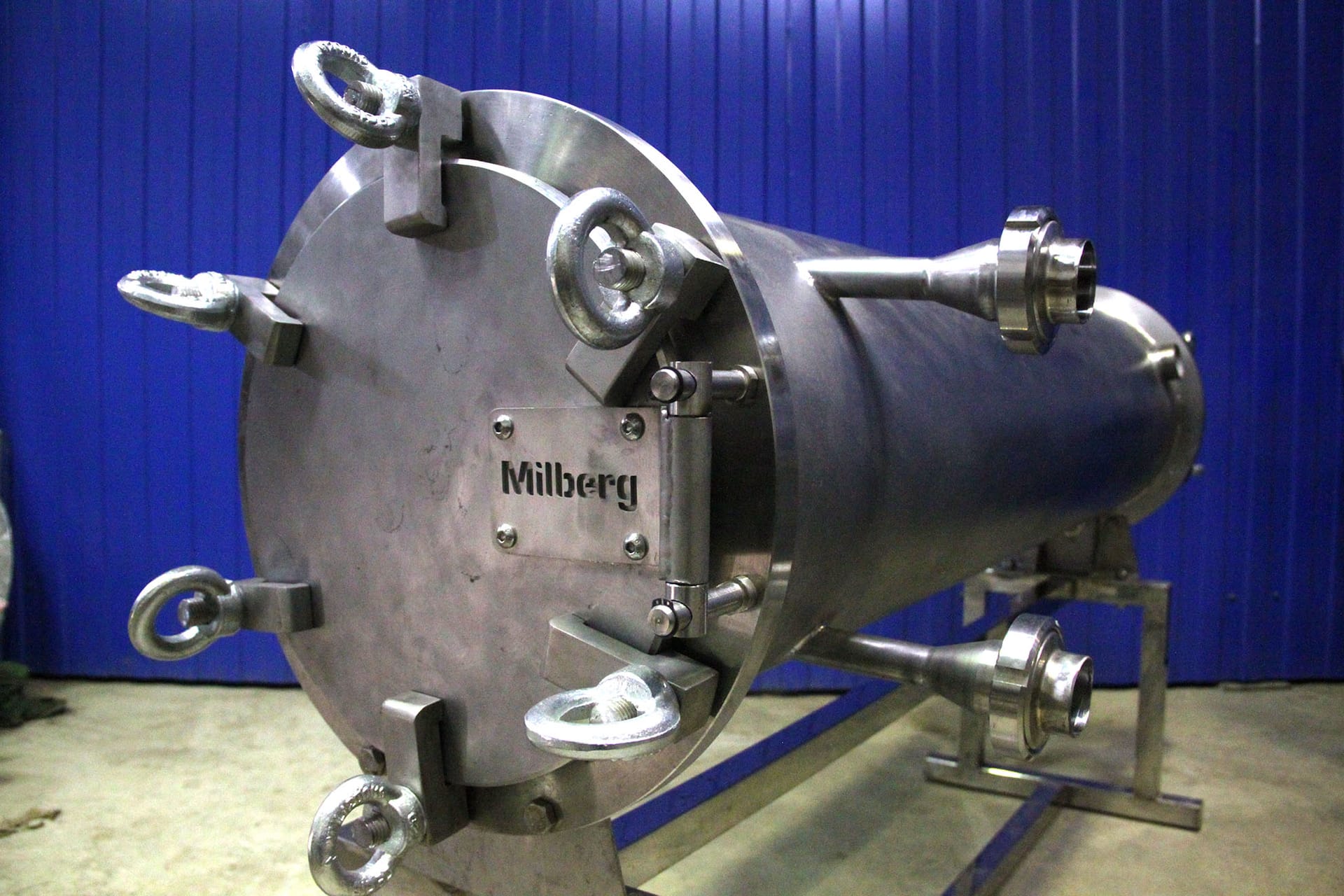 Continuous tubular pasteurizerIn-line pasteurization from 500 L/h
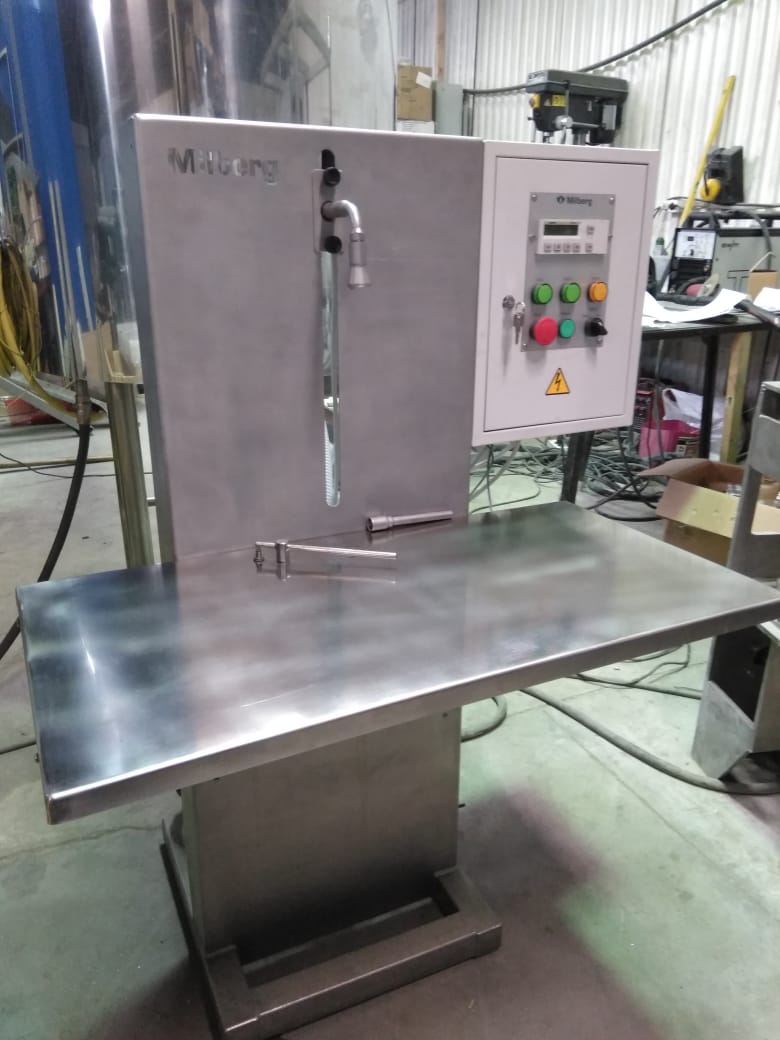 UD-2 dosing and filling unit for bottles and cupsFilling milk and cultured dairy products into bottles and cups
Catalogue sections: Milk processing equipment, Cheese making equipment, Curd (tvorog) and cultured dairy equipment, Packaging equipment