


Industrial yoghurt production: process features and equipment

In brief. This is how yoghurt is made at a plant: the milk is cooled to 4 °C and filtered, preheated to 45 °C in a pasteurization vat, homogenized (50–70 °C, 20–25 MPa), heated to about 85 °C and held, cooled to 43–45 °C, the starter culture and additives are added, and it is fermented for 6–8 hours at 45 °C, then filled into bottles or cups.
Yoghurt is one of the oldest cultured dairy products and has long been an important food for the peoples of the Middle East, especially in the countries bordering the eastern Mediterranean coast. Yoghurt is generally a dairy product made by mixing fermented milk with various ingredients to create a range of flavours.
The stages of yoghurt production depend on the type of raw material used.
Equipment needed for yoghurt production
A complete set of yoghurt production equipment consists of a series of tanks with different functions, which can be connected by pipework and controllable pumps to form a single line.
- Milk cooling
Fresh milk collected from the farms must be cooled promptly. Special coolers are used for this; they can be horizontal (vats) or vertical (tanks). The coolers maintain a temperature of 4 °C, which allows the milk to be stored for a long time.
- Filtering the milk to remove impurities
Special filters remove unwanted impurities from the milk. The filter can be single-layer or double-layer and can be combined with the cooler in a single milk reception and metering station.
- Preheating the milk to 45 °C
The milk is heated in pasteurization vats, which are tanks with a heating or cooling jacket. Inside the vat is an agitator that mixes the milk during heating and ensures it heats evenly. The milk is preheated to approximately 45 °C.
- Milk homogenization
The preheated milk goes to the homogenizer for further processing. Treatment at 50–70 °C and 20–25 MPa breaks the macromolecules and milk fat globules down into small particles, giving the yoghurt an excellent taste.
- Milk sterilization
A VDP batch pasteurizer (long-time pasteurization vat) is also suitable for the sterilization step: it heats the milk to the set temperature (about 85 °C) and holds it there for a specified time. The sterilization step is extremely important, as it destroys most pathogenic bacteria in the milk and ensures the quality of the product. Once sterilization is complete, the milk is cooled in the same vat to 43–45 °C.
- Adding bacterial cultures and flavourings
When the milk has cooled to the right temperature, beneficial bacteria and various additives can be added according to the plant's own recipes.
- Yoghurt fermentation
In the final stage of yoghurt making, the milk stays in the vat to ferment for 6–8 hours. Throughout this time the temperature must be held at 45 °C.
When all production stages are complete, the yoghurt must be packed in suitable containers. For this you can use bottle filling units (for drinking yoghurt) or automatic machines for packing into plastic cups. Once packed, the product is ready for sale.
Key features of Milberg milk processing equipment:
- In line with food safety and hygiene standards, all equipment manufactured at the plant is made of high-quality stainless steel approved for use in the food industry. Food-grade stainless steel ensures durability, corrosion resistance and wear resistance of all yoghurt processing machines.
- The volumes and capacities of individual units can be tailored to the required production output.
- Custom line design and related solutions can be developed to meet customer requirements.
If you need a yoghurt production line or individual equipment, submit a request on the website or contact our specialists by phone.
Milberg equipment mentioned in this article
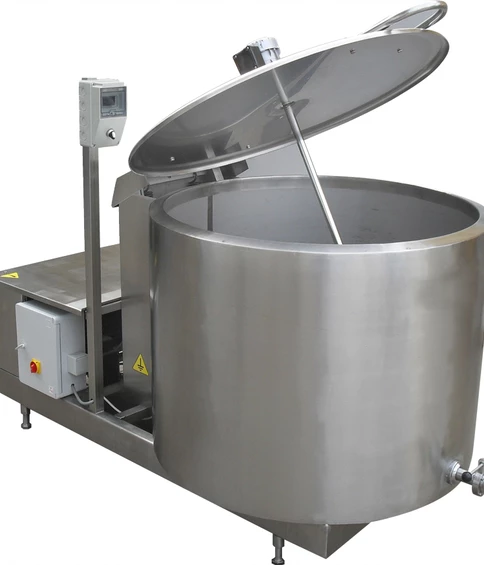 Milk cooler (milk cooling tank)Rapid cooling of milk after milking and pasteurization
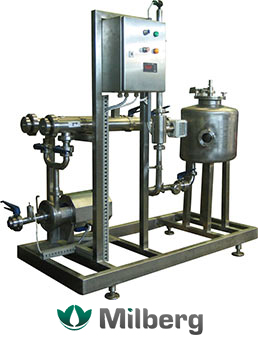 SPM milk reception and metering stationIn-line milk reception and metering
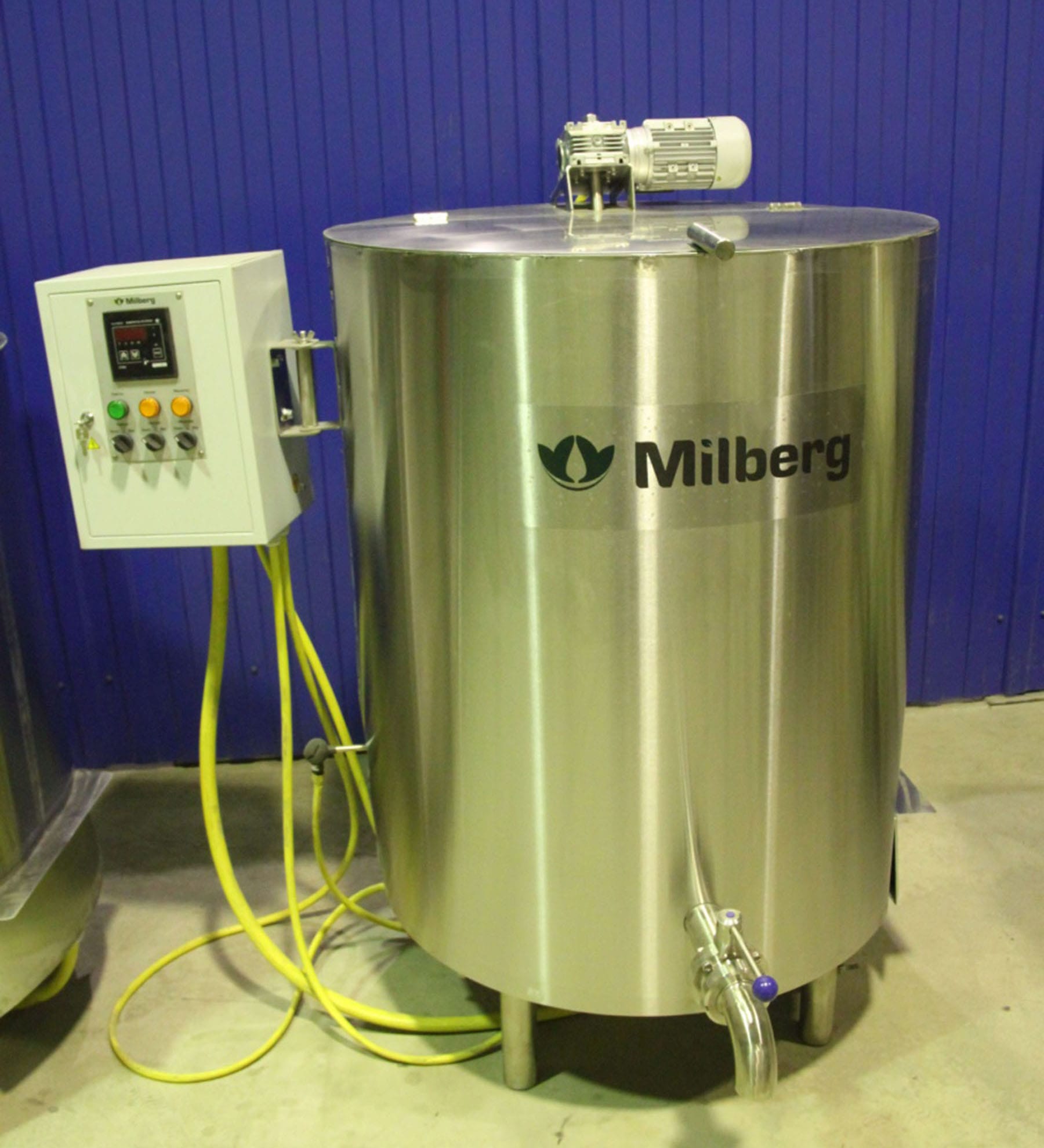 VDP batch pasteurizerMilk pasteurization and cultured dairy production
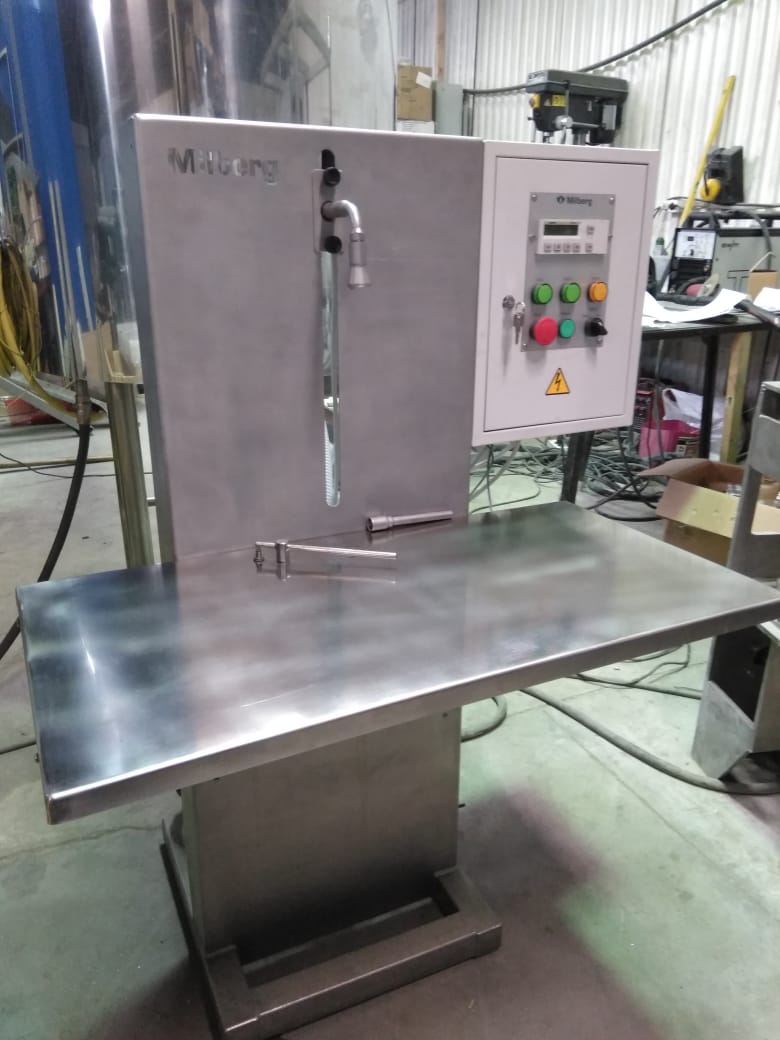 UD-2 dosing and filling unit for bottles and cupsFilling milk and cultured dairy products into bottles and cups
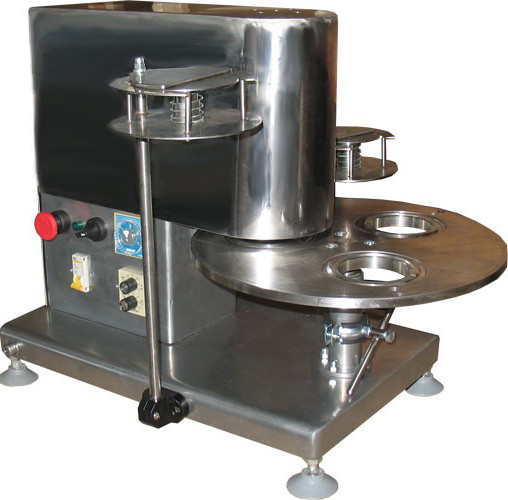 UPS-2 cup sealing unit for plastic cupsFoil sealing of plastic cups
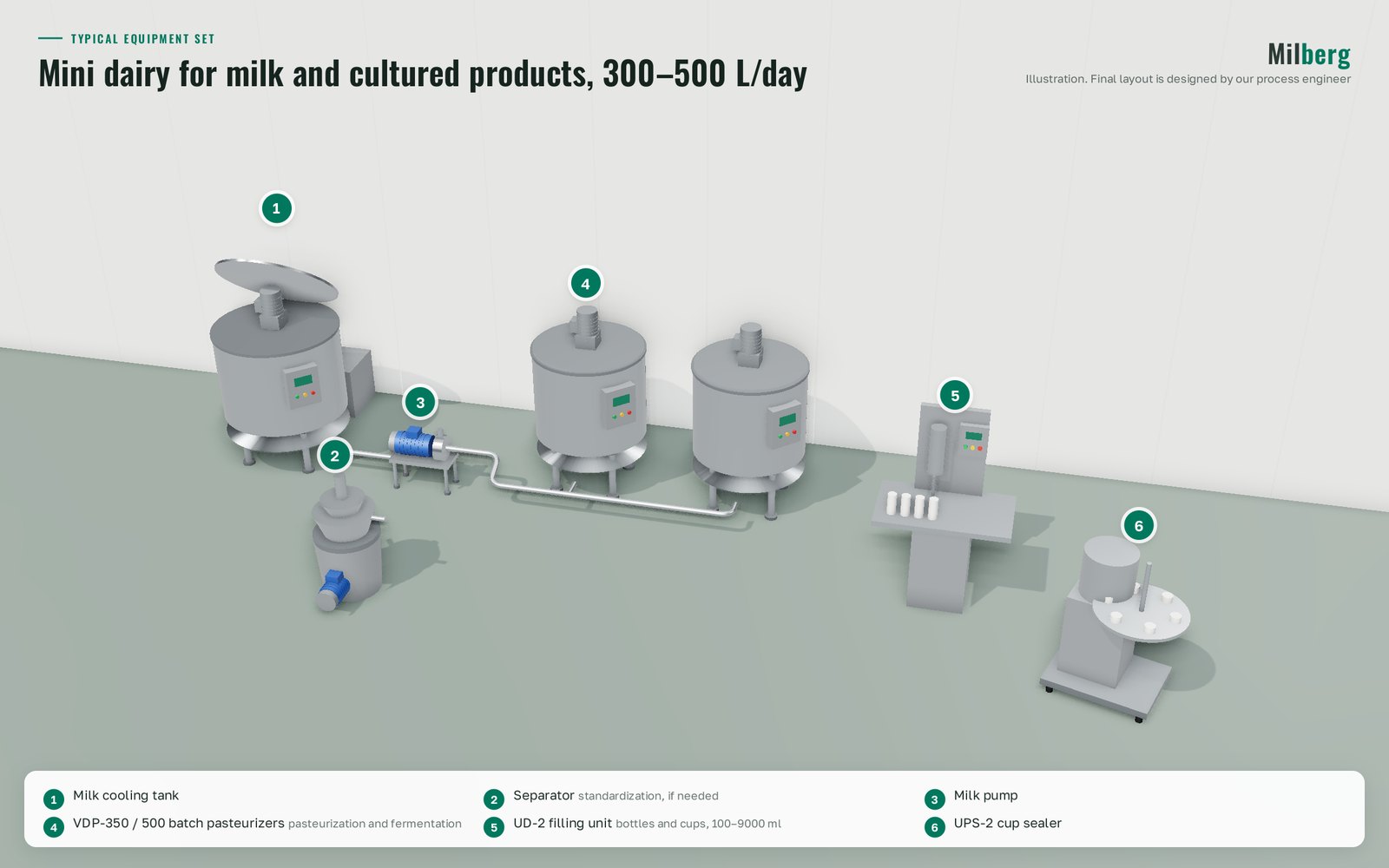 Mini-plant for pasteurized milk and cultured dairy products, 300–500 L per dayReception and cooling, VDP, filling into bottles and cups
Catalogue sections: Milk processing equipment, Packaging equipment, Equipment sets, modular dairies and mini plants