


Hard cheese production technology
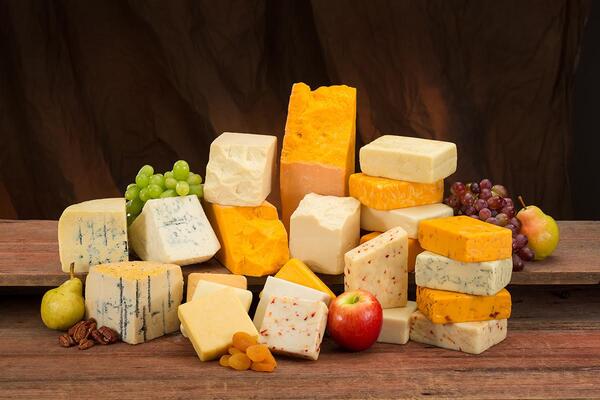
In brief. Hard cheese is made in six stages: reception and ripening of the milk (10–12 °C for about 12 hours), standardization and pasteurization; addition of starter culture and rennet; curd treatment — cutting, forming the curd grains, second heating, stirring; moulding; pressing — by self-pressing or in a press; brining and ripening. All stages up to moulding take place in the cheese vat.
Cheese is a special product made from milk. Everyone loves it, and its richness in vitamins and nutrients should not be underestimated. Every country has its own cultural traditions of making this product. The diversity of production methods has led to more than two thousand varieties of cheese. However, there is no single cheese classification — each country has its own names and production specifics.
In general, by commodity classification, cheeses can be divided into the following classes:
- Hard (the main and most widely represented class)
- Semi-hard
- Soft
- Brined
- Processed
Cheeses can also be classified by the raw milk used. Traditionally they are made from cow's milk. However, the raw material can also be:
- Sheep's milk;
- Goat's milk;
- Mare's or camel's milk.
Such cheeses are rare and considered great delicacies, so they are made in small batches.
The hard cheese production process
Each type of cheese is made using its own specific technology. However, there are key stages common to all types.
- Reception and preparation of the raw milk
After reception, the milk undergoes quality assessment based on physicochemical, microbiological and other parameters. This determines its suitability for cheese making. Fresh milk is not used for cheese making: it is first held at 10–12 °C for about 12 hours. This ripens the milk for better coagulation. Lactic acid bacteria starter cultures may also be added to the milk at this stage. The milk is then standardized for fat and pasteurized.
- Preparation and coagulation of the milk
At this stage, bacterial starter culture and rennet are added to the milk. A calcium chloride solution is also added to improve milk coagulation and further firm up the coagulum.
- Curd treatment
The coagulum forms within 25–30 minutes. Then comes the cheese making proper: cutting the coagulum, forming the cheese grains, and a second heating. The grains are then stirred and formed into a slab so that they knit into a single solid mass. The released whey is removed at the same stage. All of these steps can be carried out in a single, almost universal piece of equipment — a cheese vat.
- Moulding the cheese.
After the slab is cut into pieces, special moulds give the cheese its final shape and structure. At this stage the cheese is turned periodically and moistened with whey. Cheese can also be moulded by filling loose curd grains into the moulds. Together with the moulds it is convenient to use special moulding tables, which have a drain for whey and castors for moving around the workshop.
- Pressing the cheese.
Pressing can be done in two ways: by self-pressing (under the cheese's own weight) or by mechanical pressure. Using pneumatic presses at this stage produces a high-quality product with a dense, uniform structure.
- Brining and ripening the cheese
Depending on the technology, the cheese is placed in brine baths for a set time and then moved to cold rooms for ripening. The ripening period also varies with the type of cheese.
The Milberg plant offers a wide range of cheese-making equipment, suitable both for small family farms and for large plants. In line with food safety and hygiene standards, all equipment made at the plant is manufactured from high-quality stainless steel approved for use in the food industry.
If you need milk processing equipment, submit an enquiry on the website or contact our specialists by phone.
Milberg equipment mentioned in this article
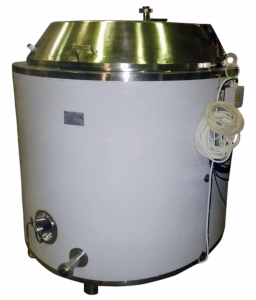 VN cream ripening vatStandardization, pasteurization and cooling of cream
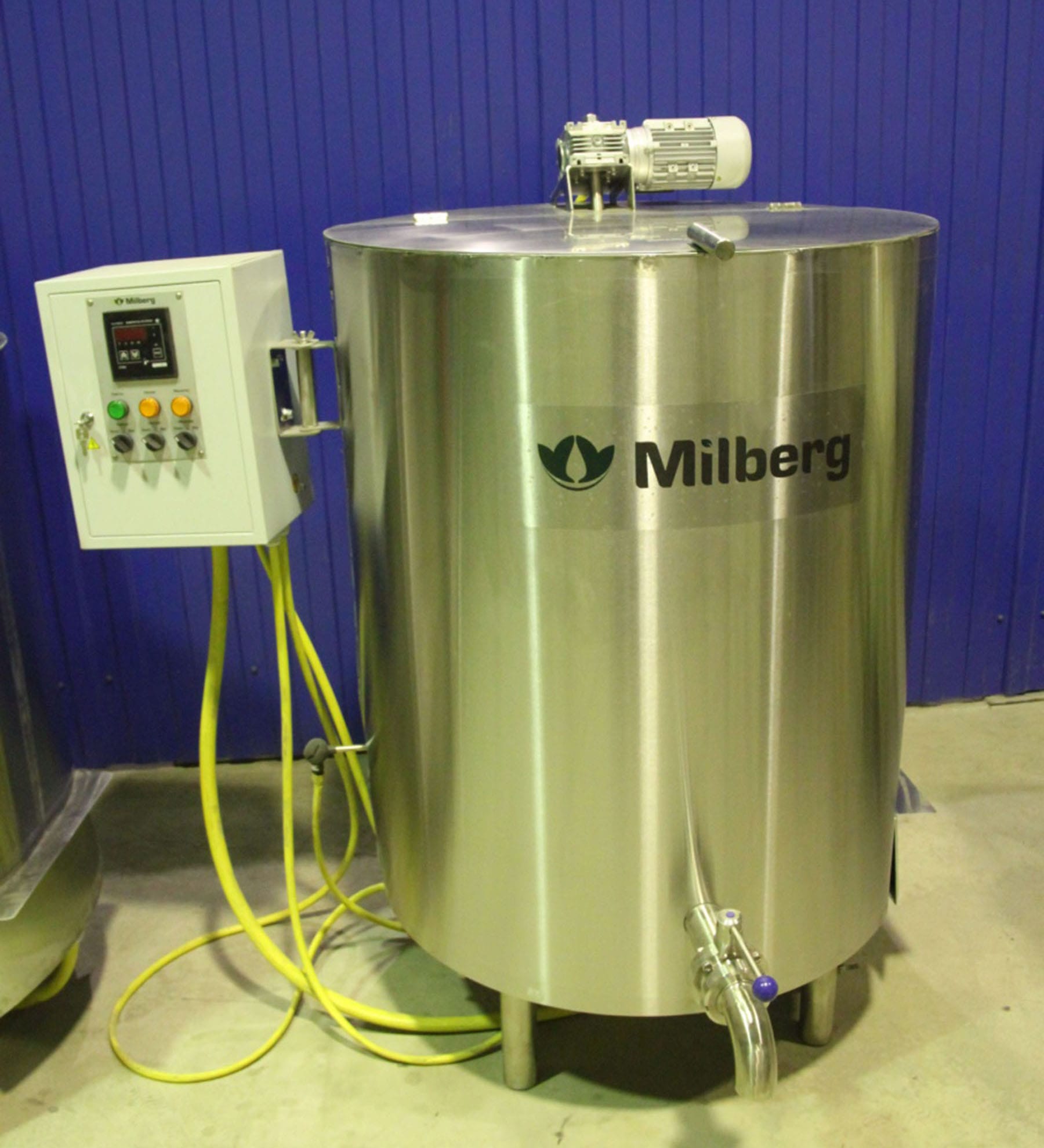 VDP batch pasteurizerMilk pasteurization and cultured dairy production
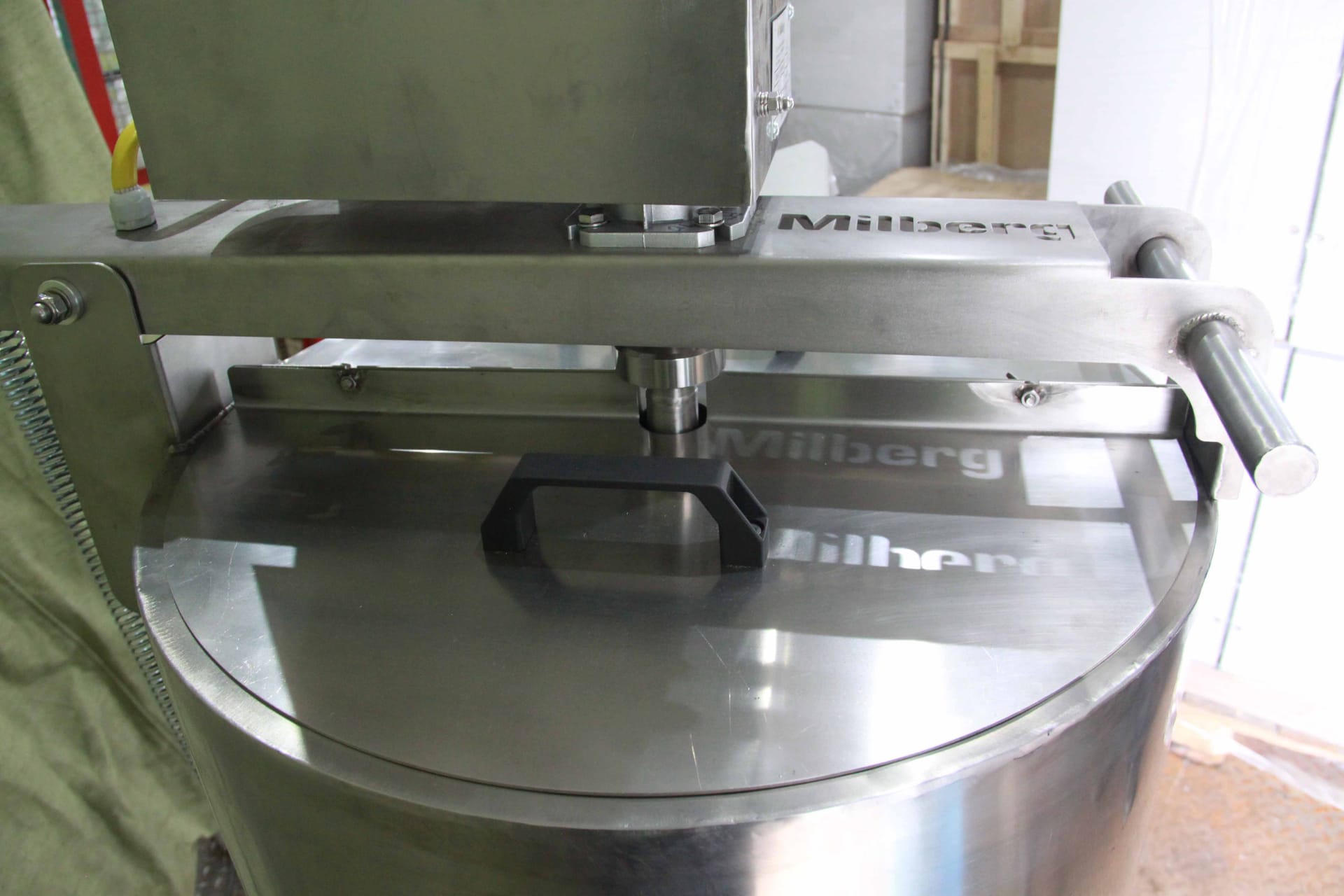 VS cheese vatHard and soft cheeses. From 20 to 3,000 L
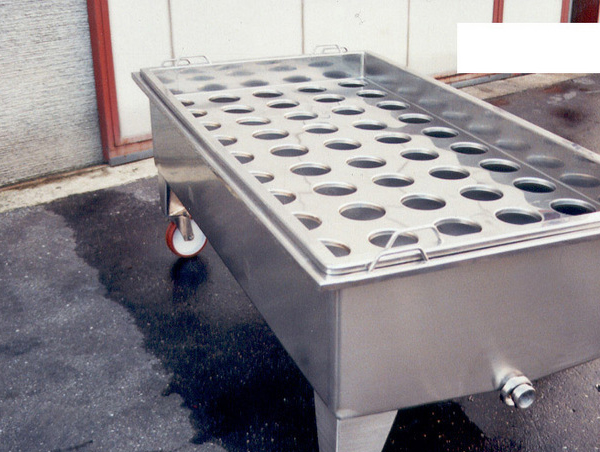 Cheese moulding tableForming cheese wheels, whey drainage
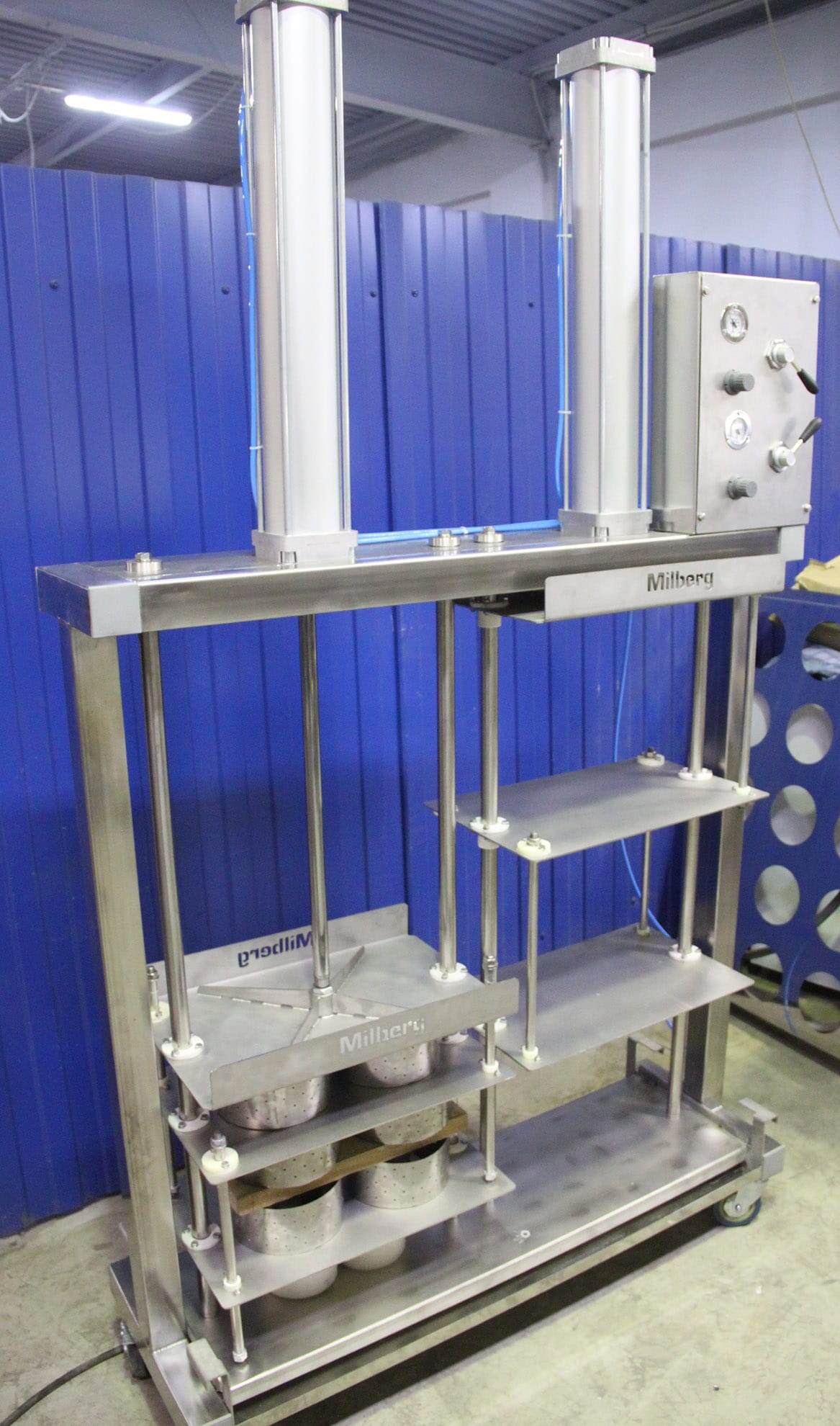 Cheese press (pneumatic / manual)Pressing of hard and semi-hard cheeses
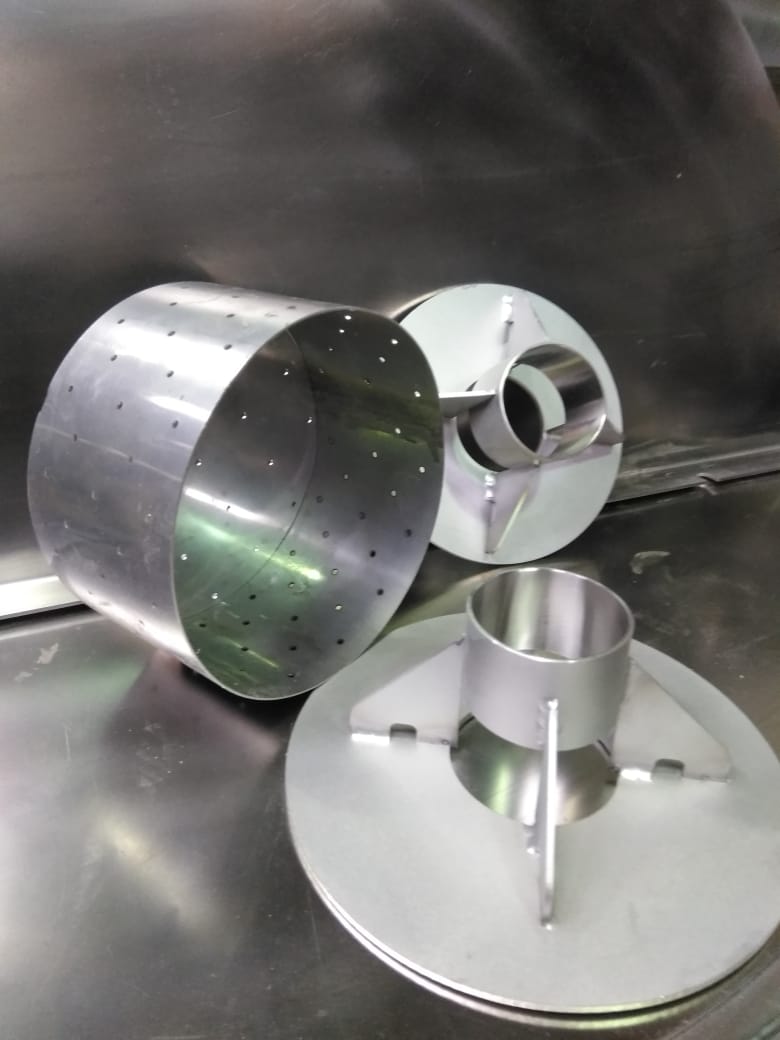 Cheese mouldsShaping cheese wheels and draining whey
Catalogue sections: Milk processing equipment, Cheese making equipment