


Stainless steel for the food industry. Part 2. Designations and applications
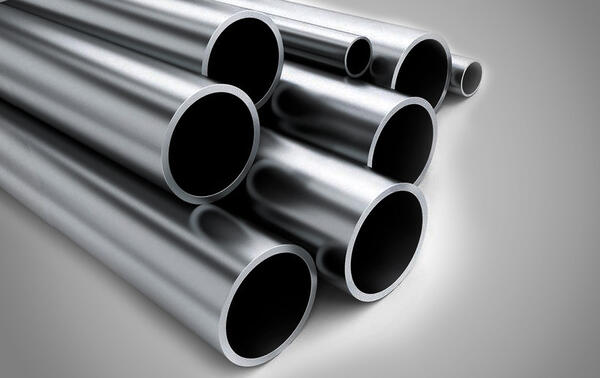
Stainless steel designations
Stainless steel is designated by letters and numbers. Russia has its own classification, used in technical and regulatory documents (GOST, Russian standard).
The most widely used international designation system for alloy and stainless steels was developed by the American Iron and Steel Institute (AISI).
The Russian designation is read as follows:
As an example, take 08Kh18N10, a grade common in the food industry. The designation means that this steel contains 0.08% carbon, with 18% chromium and 10% nickel as alloying elements.
In the AISI system, stainless steels are designated by three digits: the first indicates the class of steel and the following ones are a serial number. Thus the austenitic class includes the 2XX and 3XX series, while martensitic and ferritic steels belong to the 4XX series.
Stainless steel grades
Below are the properties of the most popular stainless steel grades used in dairy equipment manufacturing. Russian equivalents are given in brackets.
AISI 304 (08Kh18N10). The most versatile and widely used of all grades. In the food industry it is used for practically any equipment, such as cheese vats, pasteurizers, curd vats for making tvorog, etc., as well as for tanks and vessels and individual tools and fixtures. This grade offers a versatile set of characteristics, such as increased strength, improved weldability, heat and cold resistance, ductility and resistance to aggressive media. It is also relatively inexpensive.
AISI 316 (10Kh17N13M2). This grade is very close in composition to AISI 304 but includes molybdenum among its alloying elements. This enhances its corrosion resistance, including at high temperatures and in aggressive acidic media. Otherwise its technical characteristics are the same as those of AISI 304. It is also common in the food industry. Its variant 316L, with a very low carbon content, is particularly suitable for welded structures.
AISI 321 (12-08Kh18N10T). Contains enough titanium to withstand temperatures of up to +800 °C. It welds well and requires minimal post-weld treatment of the seams. It is often used to manufacture various milk tanks subject to strict hygiene requirements.
AISI 430 (12Kh17). This steel is notable for its good formability and ductility. It not only welds well but can also be formed by various methods. In addition, it is cheaper because it contains no expensive elements such as nickel and molybdenum. It is used to make equipment for washing and sanitizing raw materials and products, and in the alcoholic beverage and wine industries. It reliably resists corrosion in hazardous media, including sulphur-containing ones.
The Milberg plant offers a wide range of milk processing equipment. In line with food safety and hygiene standards, all equipment manufactured at our plant is made of high-quality stainless steel approved for use in the food industry. We work only with trusted suppliers and can provide documentary proof of the quality of the materials we use.
If you need to buy milk processing equipment, submit a request on the website or contact our specialists by phone.
Milberg equipment mentioned in this article
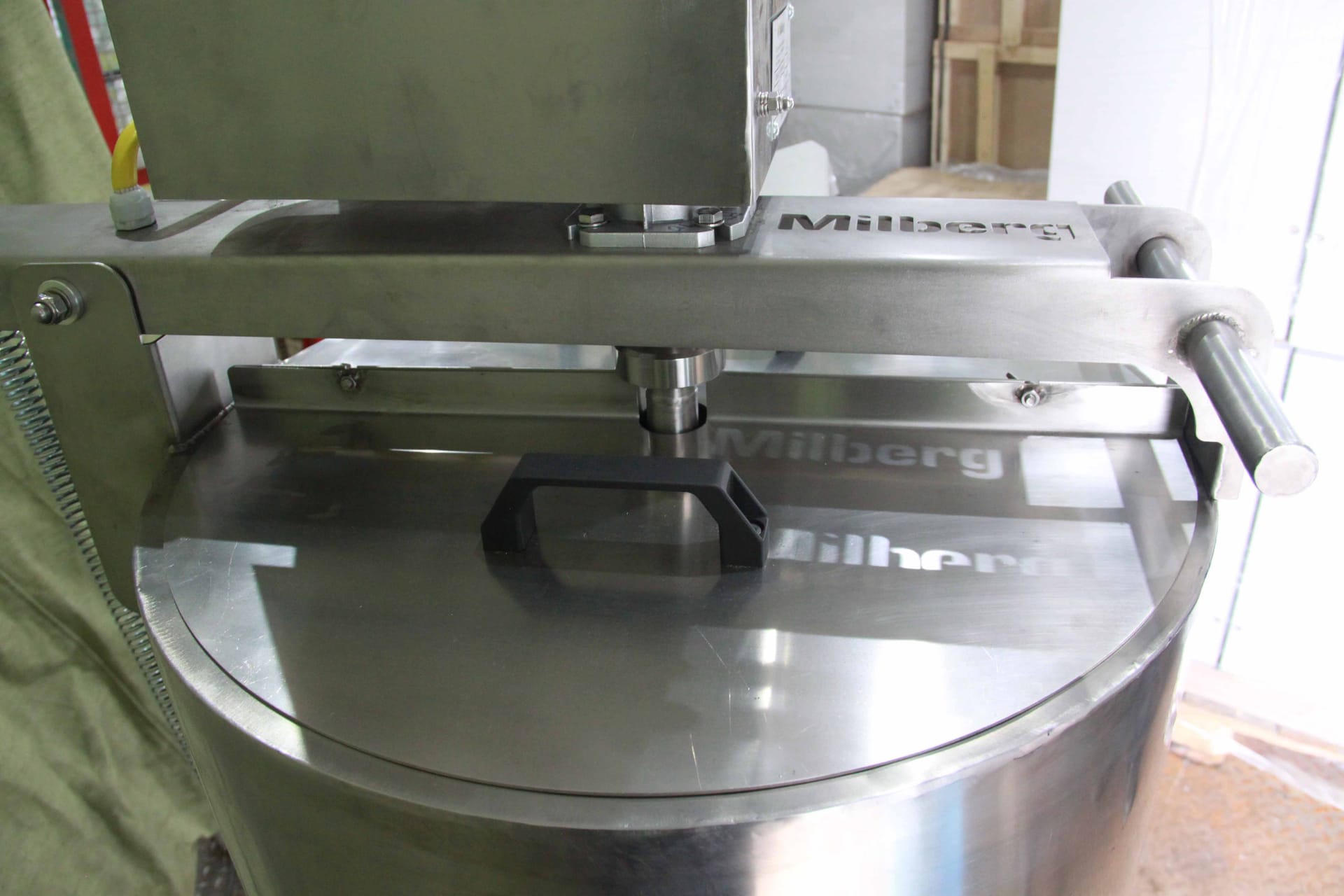 VS cheese vatHard and soft cheeses. From 20 to 3,000 L
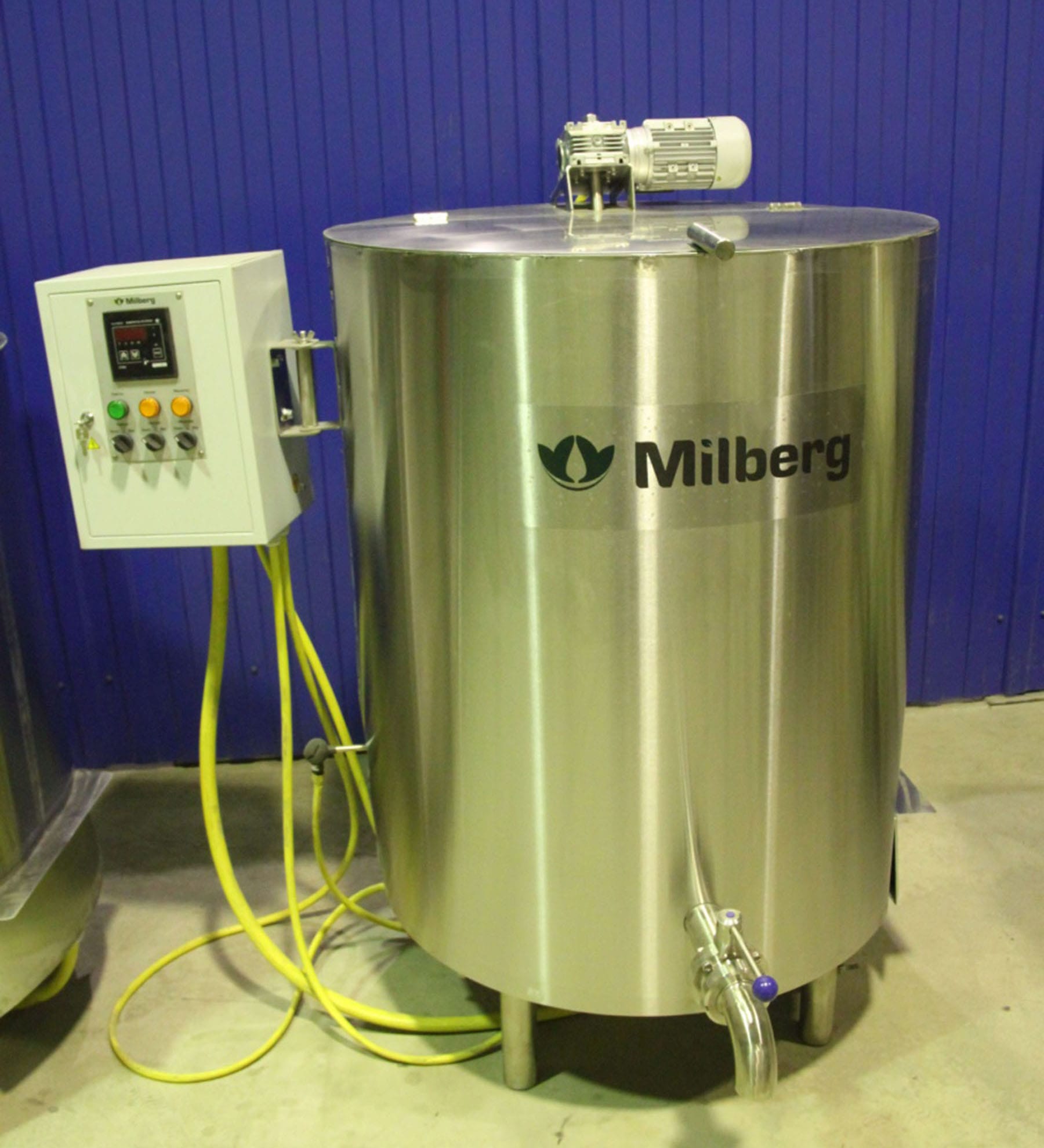 VDP batch pasteurizerMilk pasteurization and cultured dairy production
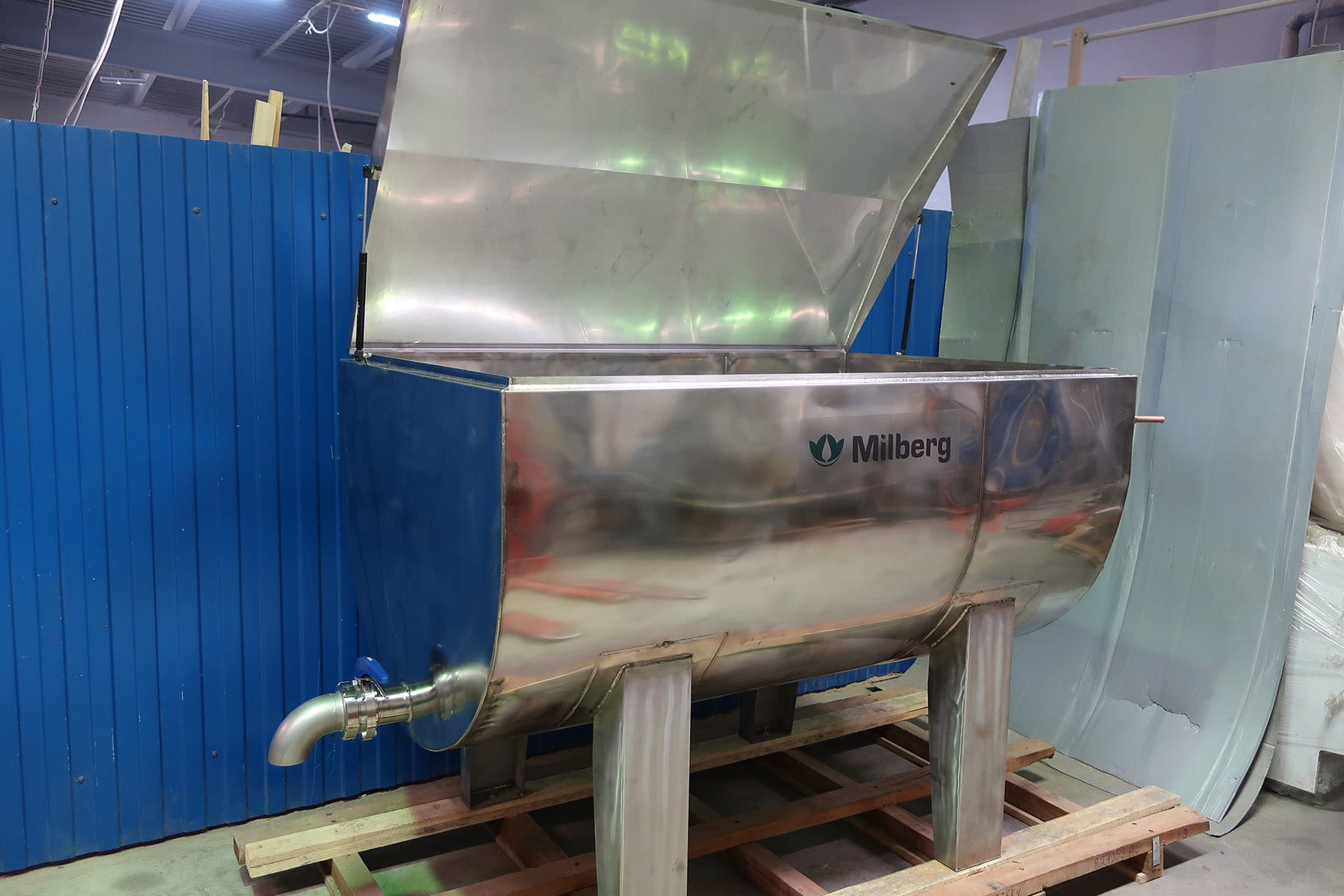 VT curd vatTraditional tvorog (quark) production
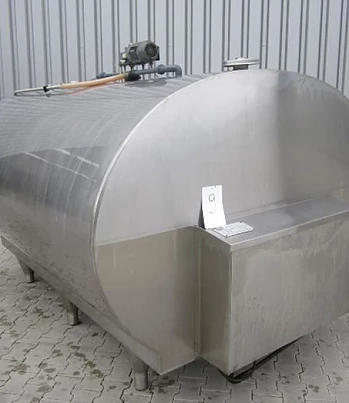 Milk storage tankReception, storage and buffer storage of milk and dairy products
Catalogue sections: Cheese making equipment, Milk processing equipment, Curd (tvorog) and cultured dairy equipment, Other food equipment