


Condensed milk production technology
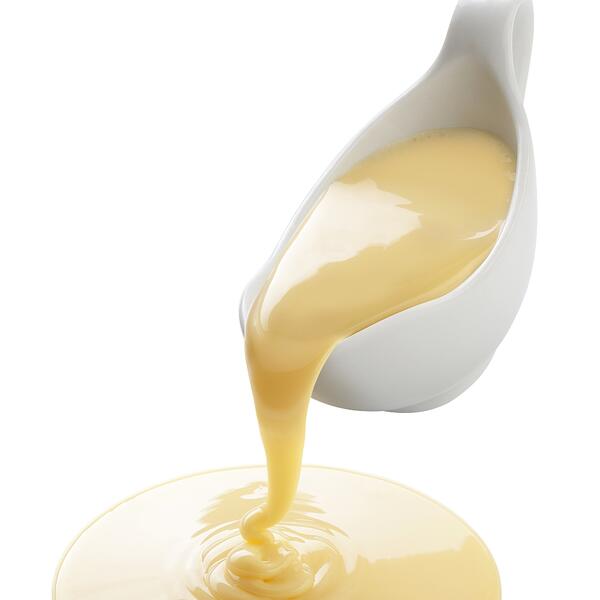
In brief. Condensed milk is made as follows: milk reception and quality assessment, fat standardization, pasteurization, addition of sugar syrup, evaporation in a vacuum evaporator, cooling with agitation in a vacuum crystallizer to 20 °C, and hermetic filling. This process is used for all types of condensed milk — whole with sugar, unsweetened, with flavourings, condensed cream, skimmed and boiled (dulce de leche).
Condensed milk is a product loved by many, especially children. Besides its delicate taste and aroma, it also contains a wealth of nutrients.
Condensed milk comes in several types:
- sweetened condensed whole milk (traditional);
- unsweetened condensed milk;
- sweetened condensed milk with various flavourings (coffee, cocoa, fruit additions);
- sweetened condensed cream;
- sweetened condensed skimmed milk;
- boiled condensed milk (dulce de leche).
There is a classic production process that is suitable for any type of condensed milk.
- First, the milk is received and assessed for quality and organoleptic characteristics. To automate this step, you can buy a milk reception and metering station, which also filters and cleans the milk.
- The milk is then standardized to the required fat content. To raise the fat content, it is mixed with cream; to lower it, whole milk is diluted with skim milk. Next, the milk is pasteurized. This is an important production stage, as it destroys all pathogenic microorganisms.
- Sugar syrup is added to the prepared milk until a concentration of at least 60–70% is reached.
- The milk is condensed (evaporated) in vacuum evaporators, in which excess water evaporates from the milk under intensive heating, and the mixture becomes denser and more viscous.
- To keep the product homogeneous, the prepared mass is sent to vacuum crystallizers, where it is continuously agitated and cooled to 20 °C. The system must remain sealed during this process.
- The finished product then goes to the filling machines. Any packaging can be used, but it must be hermetically sealed. This preserves the beneficial properties of the milk as fully as possible and ensures a long shelf life.
Condensed milk can be made either from whole milk or from dry mixes. The tastiest condensed milk, made to GOST (the Russian standard), is produced from whole milk, or from milk powder with added animal fats (such a mix is identical to natural milk). However, there is little of this quality product on store shelves. Far more often, producers use dry mixes combined with vegetable fats, with various flavourings and stabilizers added. Such condensed milk is much cheaper to produce, so its shelf price is lower — but quality suffers too.
The equipment required depends on the raw material used for the condensed milk. For example, if milk powder is used, you will need a milk powder reconstitution unit.
The Milberg plant offers a wide range of equipment for dairy production. Among other things, you can buy a condensed milk production line from us. In line with food safety and hygiene standards, all equipment made at the plant is manufactured from high-quality stainless steel approved for use in the food industry.
For GOST condensed milk, water is evaporated under vacuum at a reduced temperature — this way the condensed milk keeps its milky taste and colour and does not burn. For this purpose we make VVU vacuum evaporators; for more details, see the article "Vacuum evaporator: what it is for and how to choose one".
If you need milk processing equipment, submit an enquiry on the website or contact our specialists by phone.
Milberg equipment mentioned in this article
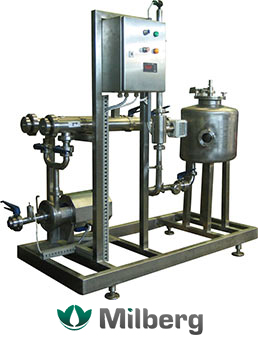 SPM milk reception and metering stationIn-line milk reception and metering
 VN cream ripening vatStandardization, pasteurization and cooling of cream
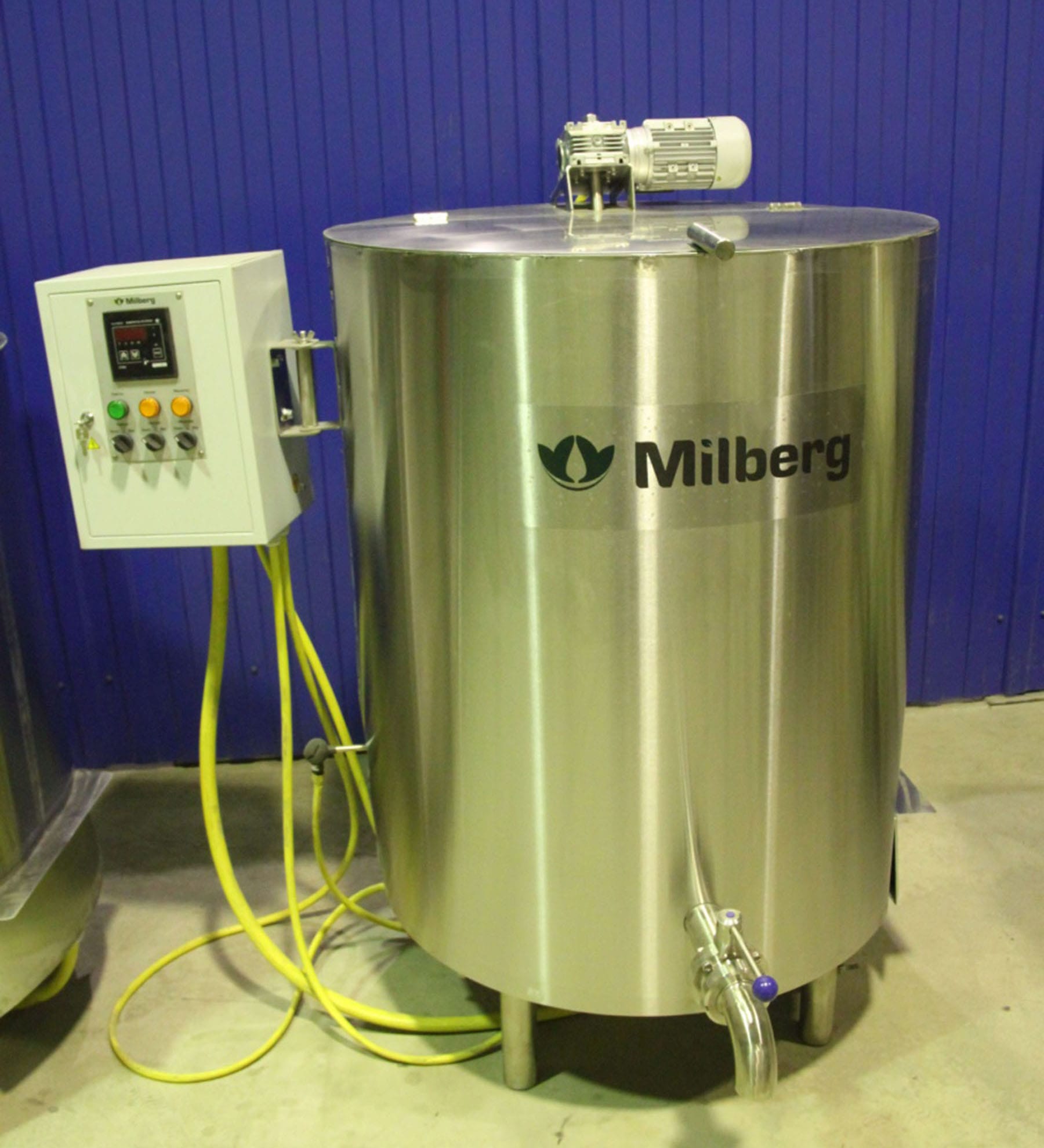 VDP batch pasteurizerMilk pasteurization and cultured dairy production
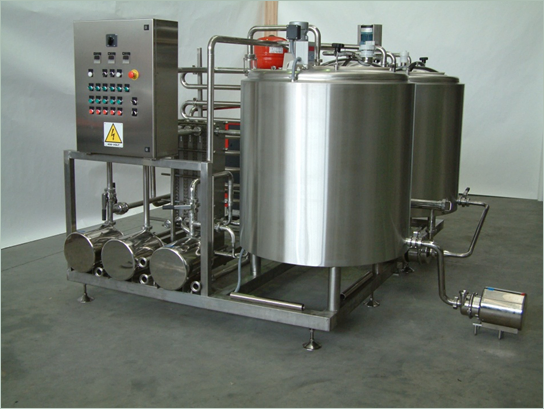 Powdered milk and juice reconstitution unitReconstitution of powdered milk, juices and powders
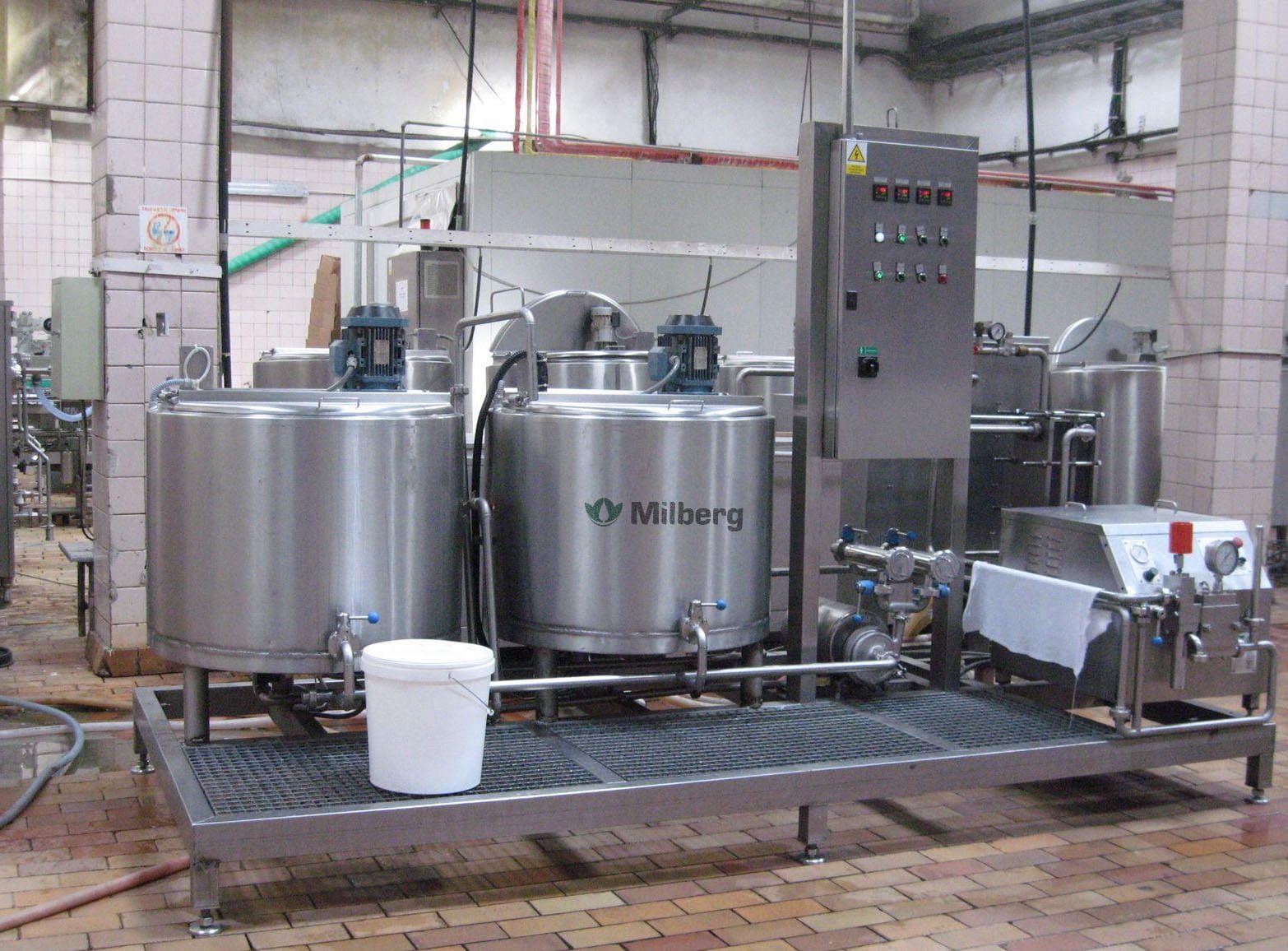 Condensed milk production line (GOST / TU)Condensed milk, dulce de leche and fillings to GOST or TU
Catalogue sections: Milk processing equipment, Vacuum evaporators