


Cheese vat: how to choose and which one to buy?
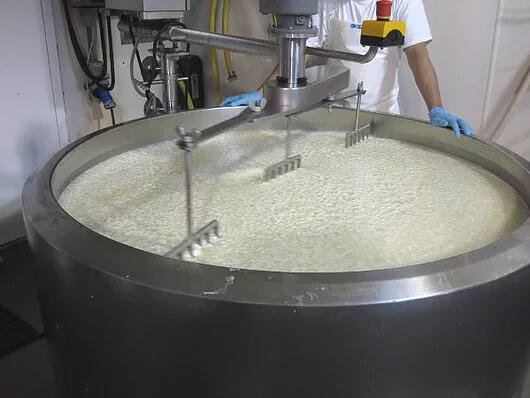
In brief. A cheese vat is chosen according to the milk volume and the task: for a farm or small producer — an industrial vat (100 L of milk yields about 8 kg of cheese); for developing recipes — a mini cheese vat. Cheese vats can be automatic or semi-automatic; besides cheese, they are used to make yoghurt, tvorog (quark) and kefir and to pasteurize milk.
Before buying a vessel for making cheese, you need to answer one question: what is it for? Whether you are buying an industrial cheese vat or a mini cheese vat, start from your needs. How to choose the right one, and how cheese is made.
Cheese vat
Methods of making products from milk have been known for a long time. The first cheese-making vessels were fairly primitive, but progress never stands still, and today cheese making has been put on a production footing thanks to modern equipment — cheese vats.
How to choose the equipment?
Before buying a cheese vat, first decide what you need it for. For a small cheese-making business or a family farm, choose a larger unit — as a rule, 100 litres of milk yields about 8 kilograms of cheese. For making cheese at home, a mini cheese vat may be enough.
All units have two modes — automatic and semi-automatic; the material is stainless steel, or enamel with a plastic housing. You should also pay attention to the components of the unit — the cheese vat itself, the milk heating system and the rotation valves.
How is cheese made?
It is a long process that requires attention and patience.
- First, the milk is pasteurized, which rids the product of microbes and pathogens;
- Then the cheese vat starts cooling through the heat-exchange jacket. The cheese vat is made of a durable material that withstands corrosion and moisture, and it meets hygiene standards and cleaning requirements;
- The cheese mass is formed according to a set program;
- This is followed by fermentation and whey removal.
Naturally, many producers focus first and foremost on the profit from selling cheese. This determines the choice of unit and vat capacity. Buying a cheese vat is not difficult — Russian manufacturers offer good options made of durable, environmentally friendly materials.
A mini cheese vat has a smaller capacity — from 30 to 70 litres — and also offers two modes. Depending on the quality and fat content of the milk, many types of cheese can be made, both hard and soft. If a customer wants to buy an industrial cheese vat (to start their own business, for example), the capacity and the number of associated components are greater, and the design is more complex.
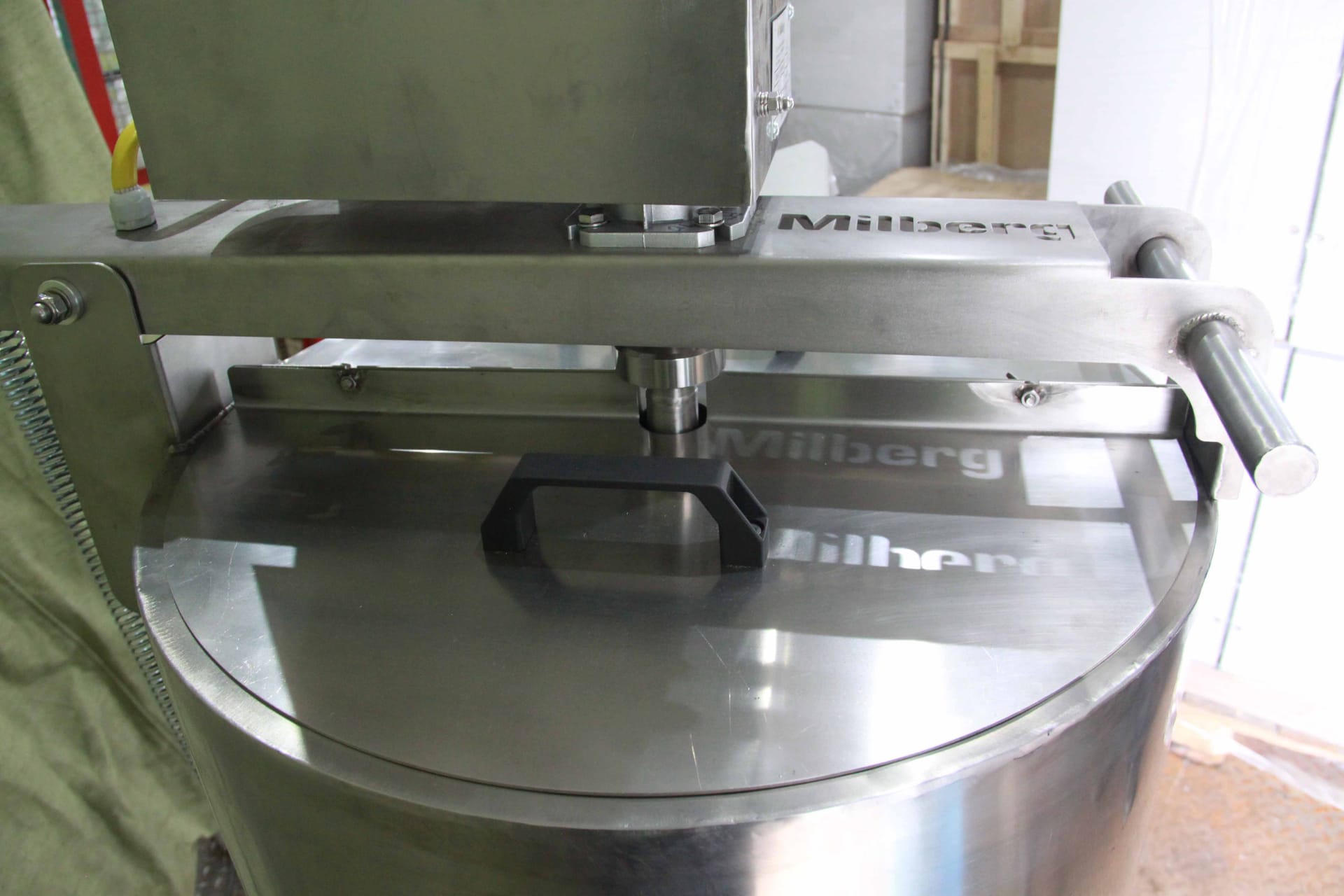
Milberg helps customers buy excellent cheese vats at attractive prices. You can buy a Milberg cheese vat even for your own needs — our managers will advise which unit suits your work. Besides cheese, you can make yoghurt, tvorog and kefir, or simply pasteurize milk. Dairy products are always popular and in demand, so even a mini version can pay for itself within a short time. And an industrial cheese vat, when run well, will bring very good returns and help you start your own business and put cheese making on a production footing.
Milberg equipment mentioned in this article
Catalogue sections: Cheese making equipment, Milk processing equipment