


Types of CIP cleaning systems (Clean-in-Place)
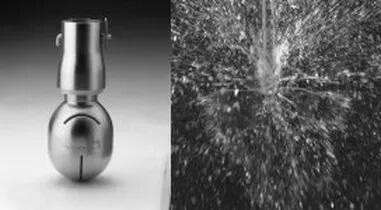
In brief. A CIP system (Clean-In-Place) cleans equipment and pipelines without dismantling them. It usually consists of tanks for alkaline, acid and disinfectant solutions and clean water, connected by pipes, plus a control system. CIP systems can be manual, semi-automatic or automatic, single-circuit or multi-circuit; food processing lines require a multi-circuit system.
A CIP system is versatile equipment that has been used for more than half a century in industries where compliance with hygiene standards comes first. This type of food equipment cleaning got its name from the abbreviation Clean-In-Place, which literally means "cleaning on the spot" — a short description of what a CIP system does.
The number and arrangement of tanks in a CIP system vary depending on its functions, but it usually consists of separate tanks for alkaline, acid and disinfectant solutions and clean water, connected to each other by pipes. It also has various control mechanisms.
Types of CIP systems
CIP systems are classified by several parameters:
- type of control;
- number of production lines to be cleaned;
- use of the cleaning solution;
- presence of additional units for specific functions.
By type of control, CIP systems are automatic, semi-automatic or manual. The earliest systems of this kind needed an operator to control the supply of detergent or water to each unit. Modern CIP systems have a control cabinet and are fully automated.
Depending on the number of production lines to be cleaned, there are single-circuit and multi-circuit CIP systems. In the food industry, multi-circuit equipment must be used to clean production lines properly. In this case, when planning the cleaning installation, the layout of the pipelines and cleaning equipment must be taken into account, and valves must be provided at all the points where they are needed.
By use of the cleaning solution, CIP systems are divided into those that use the same high-concentration solution to flush several production lines and those that use a low-concentration solution for each new circuit. In the first case the CIP system is fitted with a tank, and this design is more economical for the plant, since the second option consumes additional resources in the form of water and cleaning solution. However, the cleaning performance of both types is the same.
Specific CIP functions are needed when staff and the environment must be protected from the harmful effects of cleaning solutions or cleaning effluents. For example, neutralization stations are used before spent acids and alkalis are discharged to the sewer. The solutions are neutralized, making operations more environmentally friendly and safer.
Concentrate reception stations, in turn, are needed at large plants so that staff do not suffer occupational illnesses from contact with aggressive chemicals. The automated system delivers the cleaning agents to the production areas on its own, according to the program.
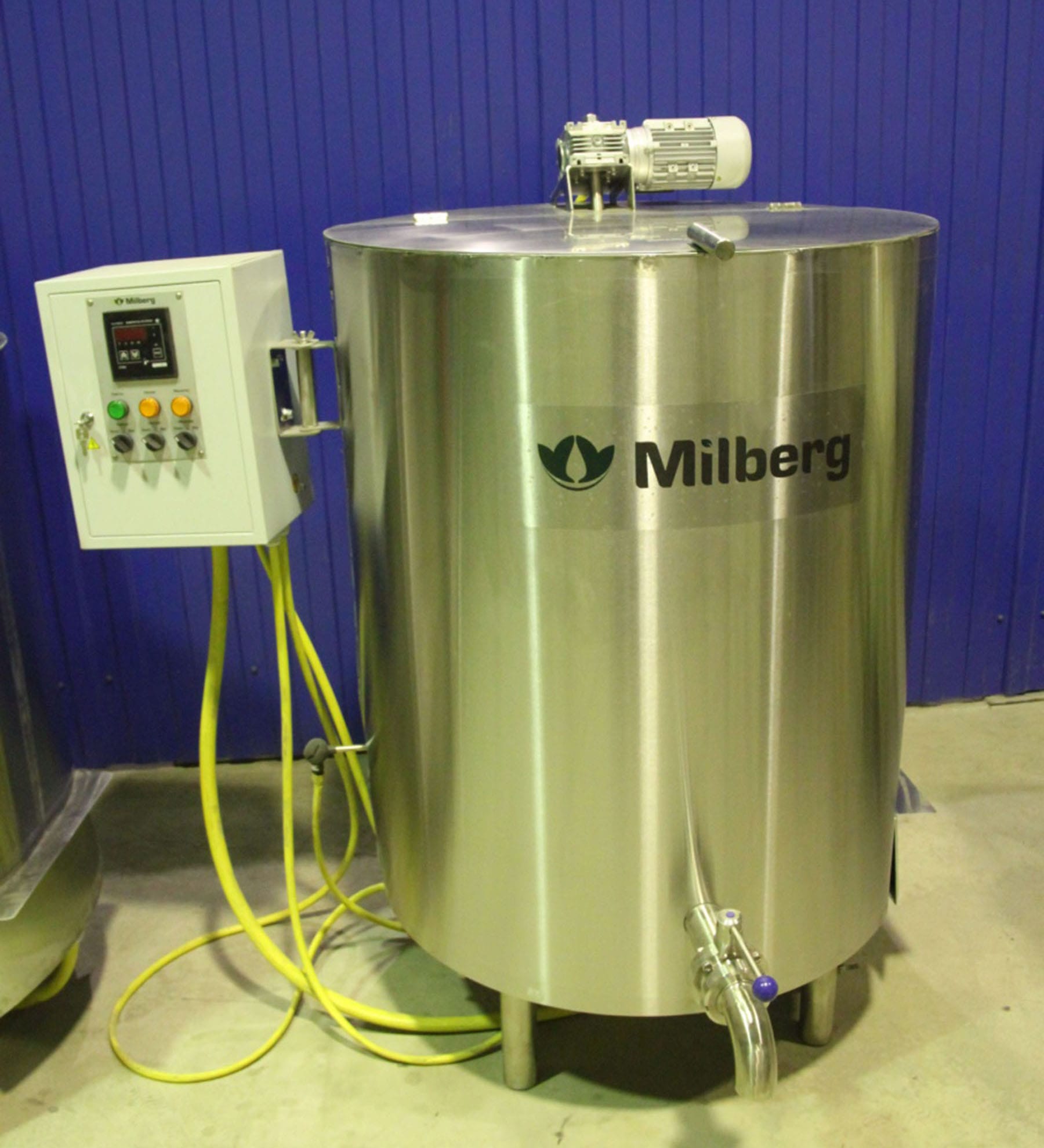
When planning equipment for a plant, it is also important to take its specifics into account. A plant in the dairy industry, for example, should buy a VDP batch pasteurizer with CIP cleaning, because the quality of equipment cleaning will inevitably affect the hygiene indicators of the finished product.
Milberg equipment mentioned in this article
Catalogue section: Milk processing equipment