


Stainless steel for the food industry. Part 1. Classification and properties
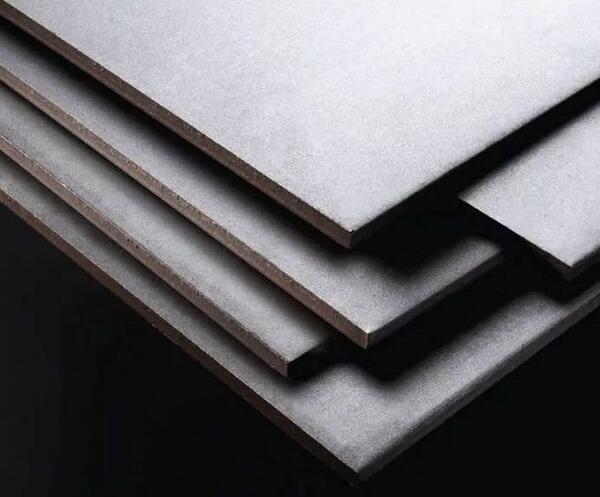
Corrosion is one of the main problems for equipment in the food industry and many other sectors. Stainless steel was invented to solve it. This steel is an alloy containing iron, chromium and nickel. The main element protecting the steel against corrosion is chromium. Stainless steel contains 11% to 30% chromium, and varying amounts of nickel, molybdenum, copper, sulphur, titanium, niobium, etc. are added to obtain the required mechanical properties. Classifying steels by chemical composition makes it possible to select a grade according to the requirements of a specific application.
Stainless steel is the best material for manufacturing food industry equipment.
A little history
In fact, rust-resistant metal has been known to humankind for a very long time. Excavations in India and Egypt have uncovered rust-free artefacts thousands of years old. Although the properties of stainless steels were discovered in many places around the world, the invention of stainless steel is usually credited to the English metallurgist Harry Brearley. In 1913, during his research into improving rifle barrels, he found that adding at least 11% chromium makes steel resistant to corrosion and rust. Cutlery manufacturers were the first to use this steel. The invention in 1924 of so-called 18-8 steel (containing 18% chromium and 8% nickel) quickly made it popular and drove the expansion of stainless steel into new applications. Today, practically every branch of manufacturing uses stainless steel in one way or another.
Classification of stainless steels
There are several types of stainless steel, differing in carbon content and the composition of alloying elements. The ratio of these elements determines where a particular type of steel is used.
The following types of steel are distinguished.
- Austenitic (non-magnetic).
Steels with a high content of chromium and nickel. The most popular is 18/8 steel, containing 18% chromium and 8% nickel. The main advantages of this group are exceptional corrosion resistance, heat resistance and cold resistance, which make them the main choice for the dairy processing industry. Austenitic steels are used in equipment for milk pasteurization and cooling, in milk separators, cheese making equipment, and in various tanks for storing and transporting milk. These steels are also widely used in the production of ice cream and milk powder. Other advantages of this group include hot and cold ductility, resistance to electromagnetic radiation, and environmental friendliness.
- Ferritic (magnetic).
Steels with a high chromium content (16–18%) and about 0.12% carbon. They contain only a small amount of nickel. This group is also corrosion resistant and combines high strength with good ductility. It is also common in the food industry and is used for strongly oxidizing environments.
- Martensitic (magnetic).
Martensitic steels contain a small amount of chromium (about 13%, which makes them cheaper than the others) and a very high percentage of carbon (up to 1%). This composition makes them difficult to form and weld, but extremely hard and strong. These steels are mainly used for wear parts and cutting tools.
- Duplex.
These steels combine the compositions of the previous groups and have the properties of both. For example, austenitic-ferritic alloys are stronger than austenitic ones and offer high ductility and corrosion resistance. They are considerably more expensive than the other groups.
To sum up, there are three main properties to look for when choosing steel for food processing equipment.
- Sufficient chromium content. Stainless steel must contain at least 11 percent chromium. This is what makes it resistant to rust and corrosion.
- High heat resistance. Most processes in the food industry involve heat treatment, so the material the equipment is made of must withstand high temperatures. A sufficient percentage of chromium and nickel is also important for heat resistance.
- Resistance to water and aggressive media. Practically all types of stainless steel withstand high humidity and are fairly resistant to chemicals.
The Milberg plant offers a wide range of milk processing equipment. In line with food safety and hygiene standards, all equipment manufactured at our plant is made of high-quality stainless steel approved for use in the food industry. We work only with trusted suppliers and can provide documentary proof of the quality of the materials we use.
If you need to buy milk processing equipment, submit a request on the website or contact our specialists by phone.
Milberg equipment mentioned in this article
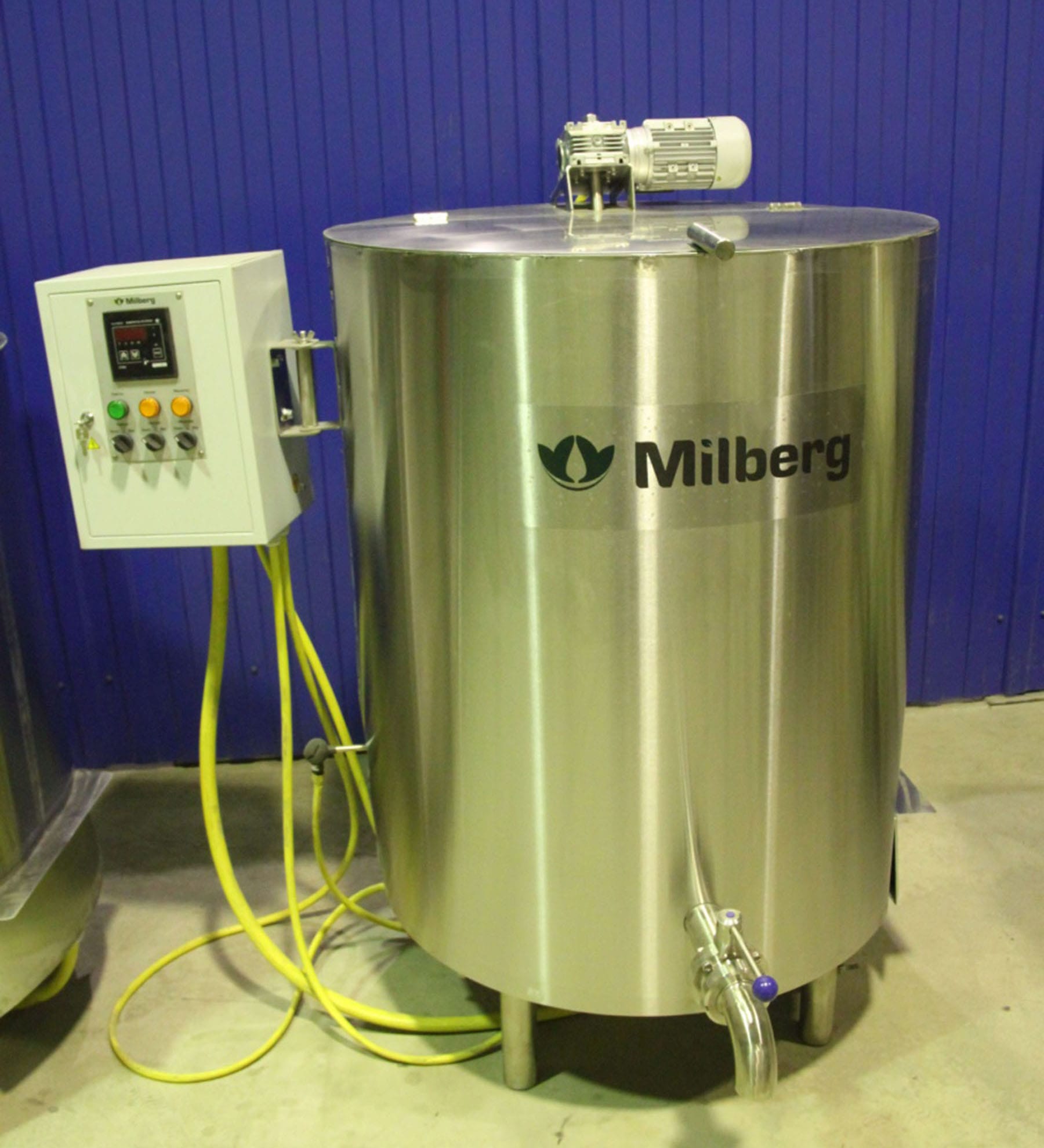
Catalogue section: Milk processing equipment